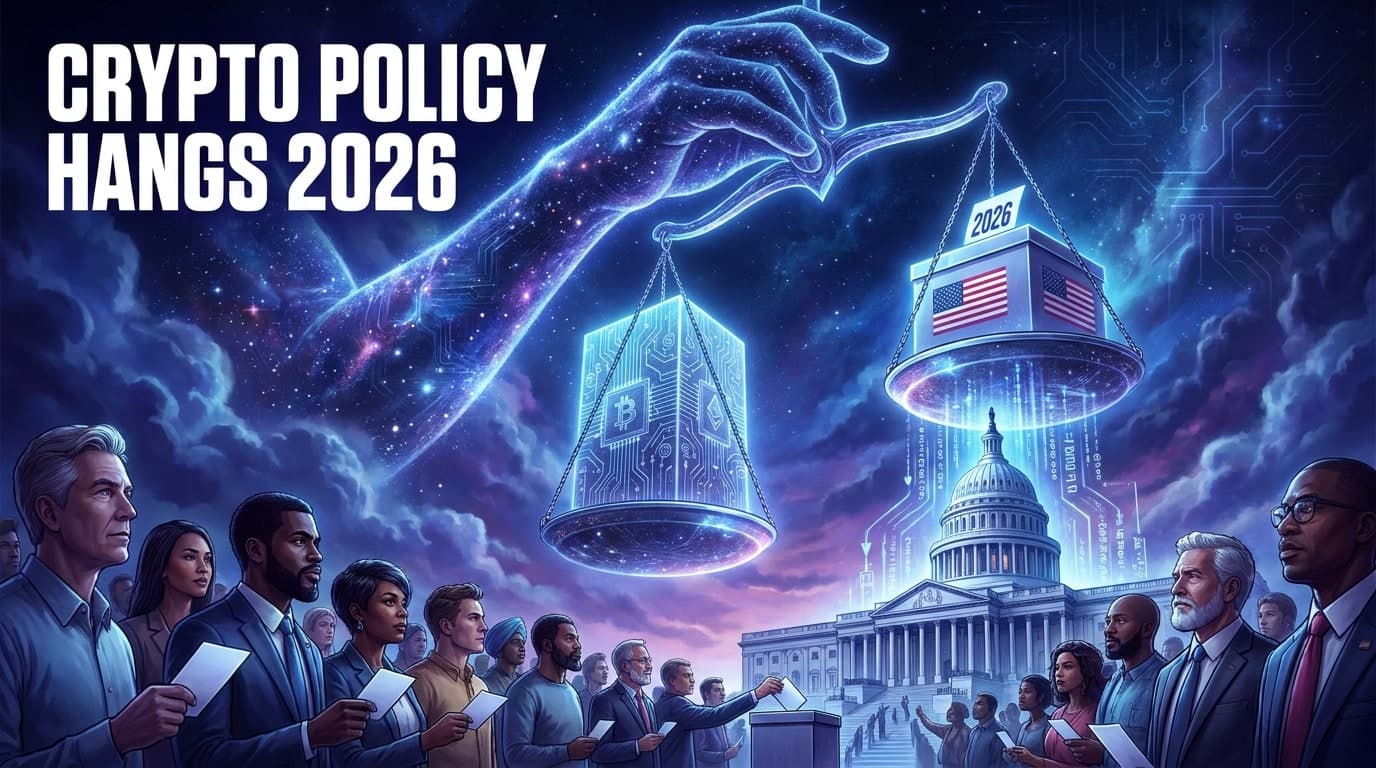
2026 US Midterm Elections Could Reshape Crypto Rules
US voters went to the polls in the 2026 midterm elections, and the results will steer crypto legislation for the next two years, CoinDesk reports. Anyone using a crypto wallet or app should take note, since Congress will decide who writes the next set of digital asset rules.
What actually happened
CoinDesk published its midterm election guide on 1 November 2026, as voters prepared to cast ballots nationwide. The outlet says control of Congress and key state offices will set the direction of crypto oversight through 2028. CoinDesk does not name specific candidates, bills, poll numbers, or fundraising totals. Instead, it frames the vote as a turning point for digital asset policy in Washington, DC. Whichever party gains influence will decide which committees and leaders handle crypto rules next. The source material contains no direct quotes from lawmakers or candidates.
How we got here
US crypto policy has lacked a clear legislative framework for years. Agencies and courts, not new laws, have often set the rules through enforcement actions and lawsuits. Industry groups have pushed Congress repeatedly for clearer standards on stablecoins, exchange registration, and token classification. Midterm elections regularly reshape committee control in Congress, changing who oversees financial technology policy. The 2026 midterms land while crypto's US legal status stays unsettled, which makes this vote matter more than a typical midterm cycle.
Why this matters for you
For everyday wallet users, the outcome could change which exchanges operate legally inside the US and under what rules. For builders, a shift in Congress could speed up or stall bills on stablecoins and token classification. For bonuz and similar wallet and AR hardware projects, compliance requirements tied to digital identity and payment features could shift depending on who leads relevant committees. Clearer rules could simplify onboarding, while stricter rules could add friction for everyday crypto use. Holders should watch which lawmakers gain committee chairs overseeing digital assets.
The bigger question
If Congress changes hands after these midterms, will US crypto policy move toward clearer rules or toward stricter enforcement? Either outcome would reshape how wallets, exchanges, and hardware makers operate inside the United States. The deeper question is whether election cycles, rather than sustained legislative work, should keep deciding digital asset policy for millions of users.
What to watch
Watch for final 2026 midterm results in the coming weeks, plus statements from new congressional leaders on crypto policy. CoinDesk's State of Crypto series plans to track committee assignments and fresh bill proposals once the next Congress convenes. bonuz.market will follow how any resulting rules affect wallet compliance and AR hardware plans.