Aero Token Merger: What Aerodrome and Velodrome Users Need
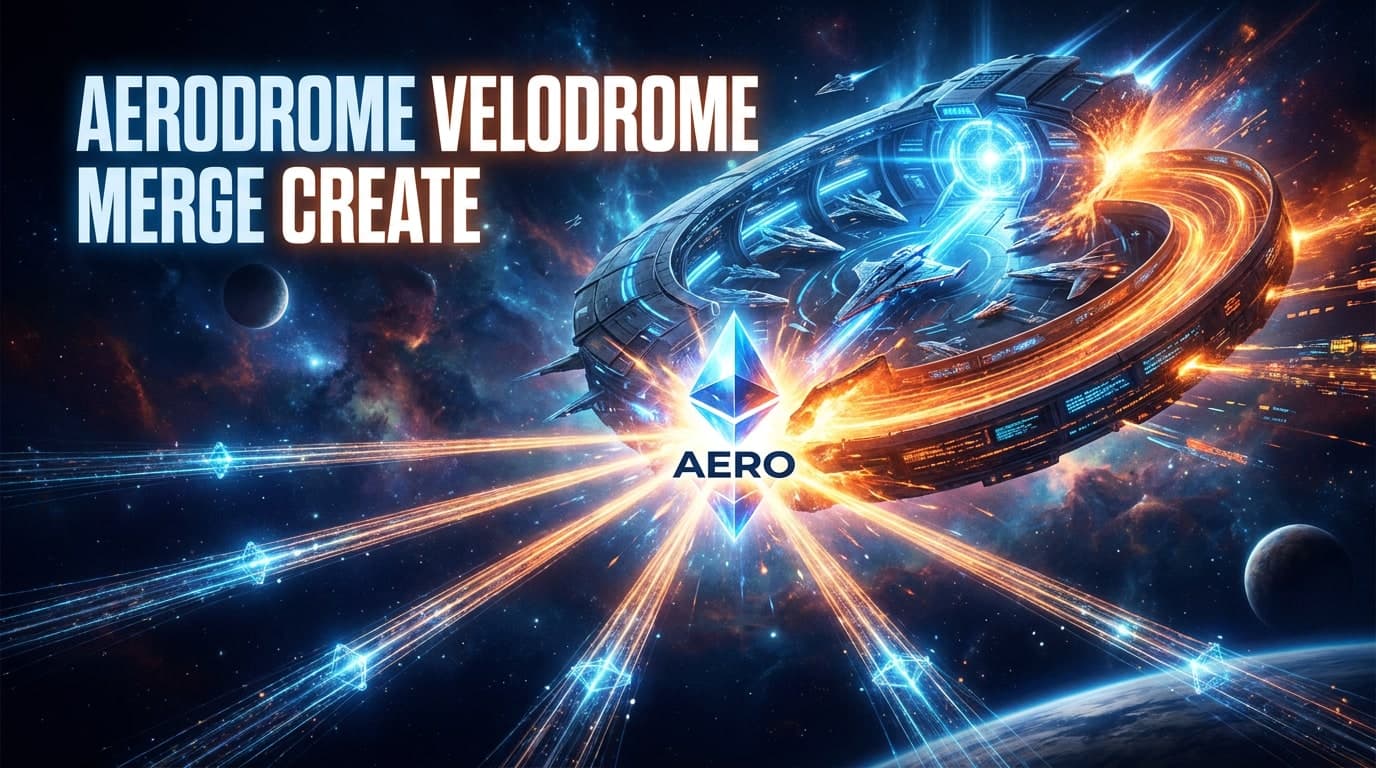
Aerodrome and Velodrome, two well known decentralized exchanges, have combined into a single token called Aero that now runs on seven separate blockchain networks. If you hold either token or supply liquidity on either platform, this consolidation could directly affect how your funds move across chains.
What actually happened
According to The Block, reported on 21 October 2026, Aerodrome and Velodrome have merged into a single protocol called Aero. The combined project operates across seven blockchain networks: Ethereum mainnet, Base, Robinhood Chain, Ink, OP Mainnet, Arc, and Arbitrum. The report gave no token swap ratio, no migration timeline, and no statements from either project's team. No market capitalization, trading volume, or liquidity figures were disclosed. Covering seven networks with different technical designs, from Ethereum's established mainnet to newer chains like Arc and Robinhood Chain, suggests the integration required coordinated engineering work rather than a simple rebrand.
How we got here
Decentralized exchanges have spread across multiple blockchains for years, chasing trading activity wherever it moves. Robinhood Chain and Arc are recent additions to that landscape, showing how both traditional finance brands and new infrastructure projects keep entering crypto. Merging two previously independent exchanges under one token name signals a shift toward consolidation rather than two platforms competing for the same liquidity. It remains unclear which team proposed the merger or whether token holders voted on it. This gap matters because governance details usually shape how fairly a token conversion treats existing holders.
Why this matters for you
For anyone holding Aero, Aerodrome, or Velodrome tokens in a wallet, a conversion process is likely coming, though no exchange ratio has been confirmed yet. Do not move liquidity pool positions until official migration instructions appear. For everyday wallet users tracking assets across chains, including inside bonuz, a single token spanning seven networks could simplify portfolio tracking once the migration settles. For developers building liquidity tools, one unified token across seven chains may cut the work needed to support multiple versions of the same exchange. Treat any early migration claims with caution until the teams publish confirmed details.
The bigger question
Will this merger push other multichain DeFi protocols to combine into single tokens instead of running separate versions on each network? Or will decentralized exchanges keep splitting liquidity across chains, each with its own token and community? The outcome could shape where everyday users choose to hold and trade assets, and whether wallets need to track one unified token or many fragmented versions spread across different blockchains in the years ahead.
What to watch
No migration date, swap ratio, or governance vote has been announced yet. Holders should monitor official Aerodrome and Velodrome channels for updates. Further reporting from The Block or other outlets may clarify how the seven-network integration actually works. Until then, bonuz users holding either token should avoid acting on unverified migration instructions circulating online.