Amazon's Texas Gas Plant Deal Sparks Climate Backlash
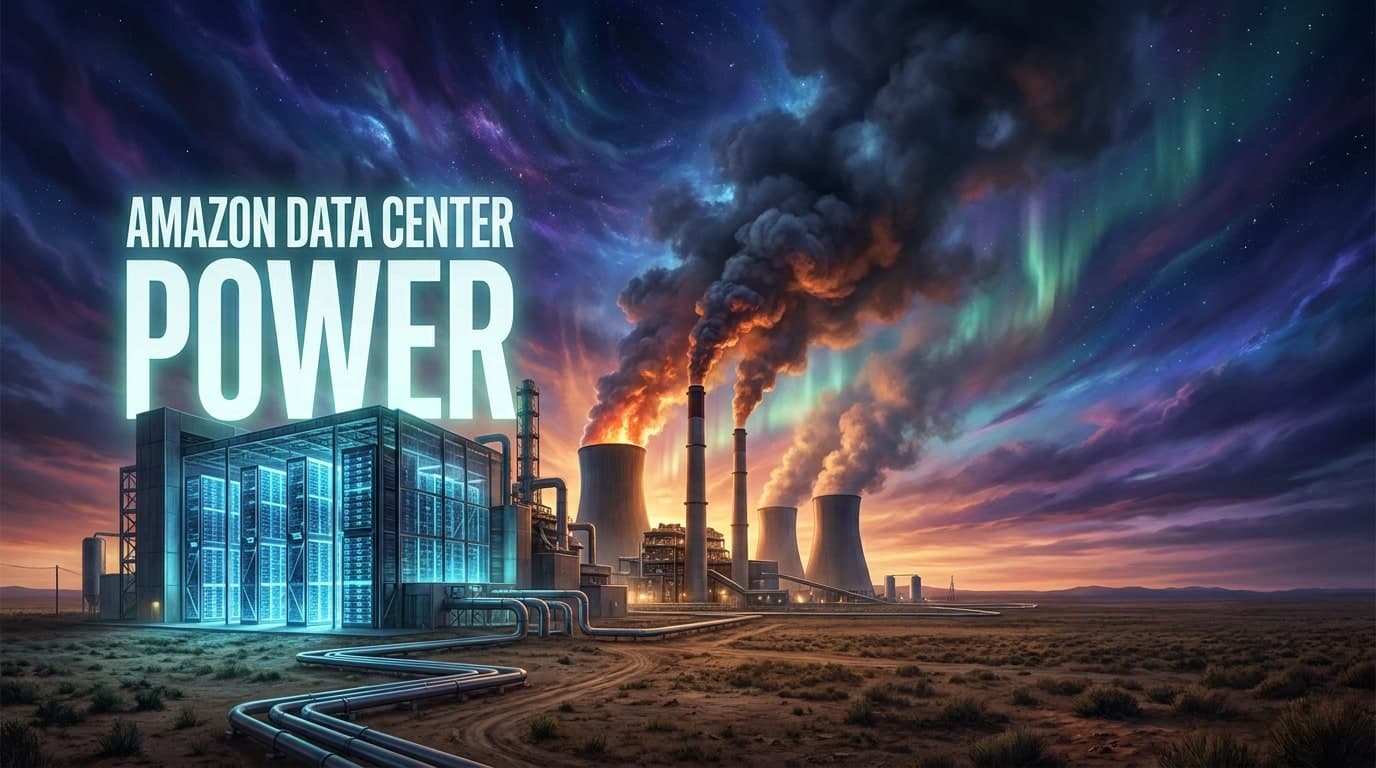
Amazon has acquired a Texas gas facility permitted to release 33 million tons of CO2 annually, more than any US coal plant. The deal links Amazon's AI expansion to heavy fossil fuel use, putting its 2040 carbon neutrality promise under fresh scrutiny.
What actually happened
The facility, GW Ranch, sits in Pecos County, Texas. It will run 35 natural gas turbines generating 7.65 gigawatts, mainly for Amazon's new West Texas data center. Texas granted the site a permit allowing up to 33 million tons of CO2 emissions per year, according to Bonuz. That figure tops the country's largest coal plant. The plant will not connect to the state grid at first. Amazon confirmed the purchase and said it will buy power from GW Ranch. Amazon spokeswoman Margaret Callahan said, 'The world looks different now than when we co-founded the climate pledge,' adding 'our commitment hasn't changed.'
How we got here
Amazon, Meta, and Google have all turned to fossil fuels, including gas and coal, to power surging AI data center demand. Loosened federal rules under the Trump administration have made plants like GW Ranch easier to permit. In 2019, Jeff Bezos pledged Amazon would reach carbon neutrality by 2040 through The Climate Pledge. Since then, Amazon's emissions have risen for consecutive years as AI infrastructure scales up. Plants rarely hit their full permitted emissions cap, but the size of this permit shows how priorities have shifted during the AI buildout.
Why this matters for you
For bonuz.market users tracking AR and wearable tech, this matters because cloud AI, the engine behind smart glasses features, runs on power like this. More gas-fired capacity means faster AI processing but a bigger carbon cost per interaction. Investors watching Amazon's climate pledge now have a real test case linking corporate promises to infrastructure choices. Builders relying on AWS for AI workloads should expect cheaper, faster compute, paired with rising scrutiny over its environmental source. Expect regulators and rival firms to watch closely whether this approach becomes standard practice across the AI hardware industry.
The bigger question
If AI's energy appetite keeps growing faster than clean power supply, should companies be free to build fossil fuel plants outside public grids to feed it? Amazon promised carbon neutrality by 2040, yet its emissions keep climbing year after year. GW Ranch raises a question far beyond one company: can rapid AI expansion and genuine climate commitments survive together, or does one always give way to the other?
What to watch
Watch for construction updates on GW Ranch and whether it eventually links to the Texas grid. Amazon's next Climate Pledge report will reveal whether 2026 emissions rose again. Texas regulators and federal watchdogs may tighten rules for AI-linked power plants. As AR devices and smart glasses lean harder on cloud AI, their hidden energy footprint will likely face similar questions soon.