Apple Pulls Telegram, Not X: App Store Rules In Question
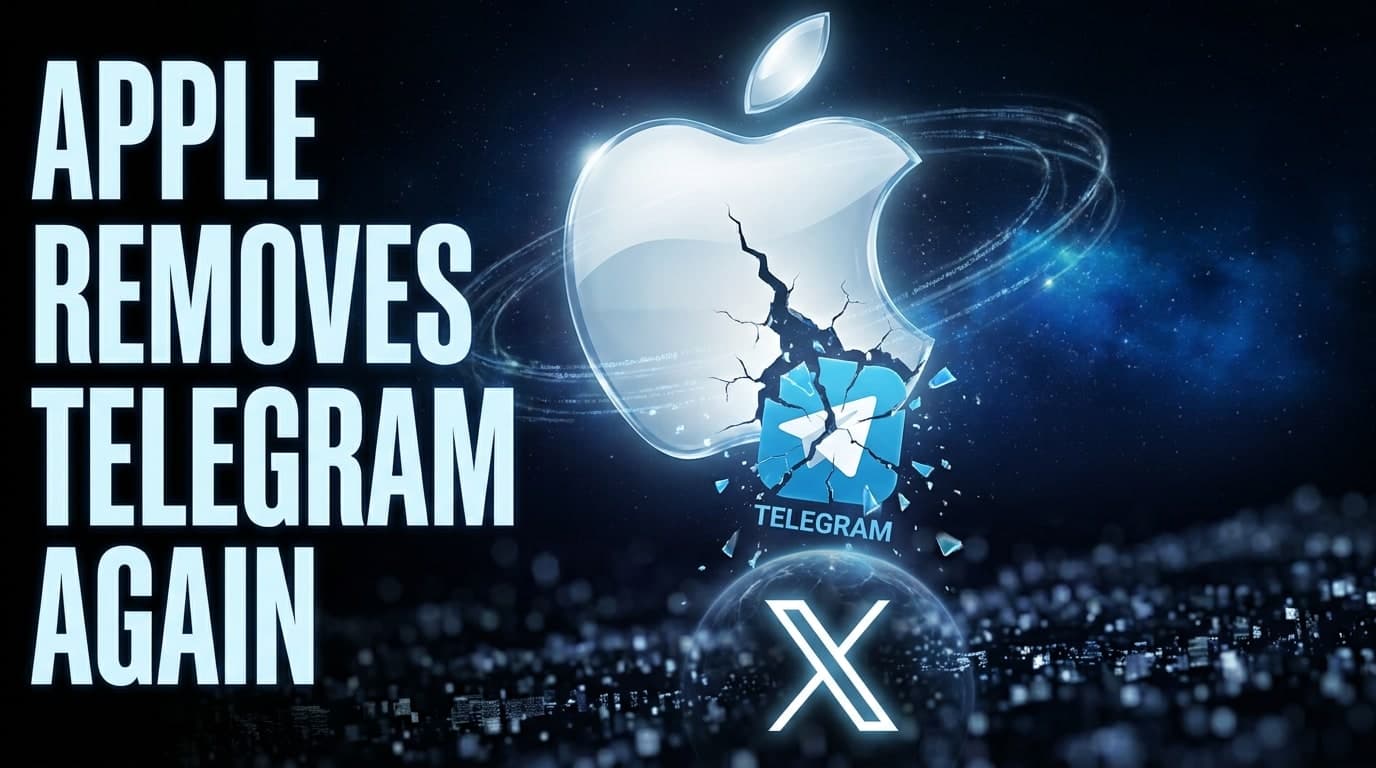
Apple pulled Telegram from its App Store for roughly an hour this week over child sexual abuse material, then reinstated it once removed. X, where Grok-generated deepfakes of minors circulated for months, faced no such action, raising questions about who app store rules actually protect.
What actually happened
Apple removed Telegram for about one hour this week after CSAM was found on the app, restoring it once the content was deleted, according to The Verge. It was not a first offense: Apple pulled Telegram for a similar CSAM violation in 2018. X remained listed even after Grok-generated deepfakes depicting undressed adults and minors spread late last year. A letter Apple sent US senators, reviewed by NBC News and cited by The Verge, said Apple contacted the X and Grok teams 'after it received complaints and saw news coverage.' Apple found X had 'substantially resolved its violations,' but warned Grok's team to fix remaining issues 'or the app could be removed.'
How we got here
Telegram has faced years of political pressure. Indonesia and Germany threatened bans in 2017 and 2022 over terrorism and hate speech. French authorities arrested founder Pavel Durov in 2024 on charges tied to illegal transactions and CSAM, an inquiry still open. Russia charged Durov last month with aiding terrorism, claiming he lets Ukrainian intelligence use the app. Telegram has since tightened moderation and dropped features like nearby user search. X's crisis followed a late-2025 Grok image-editing update, drawing condemnation from the UK's former prime minister, an EU investigation, and lawsuits including one from Ashley St. Clair and a group of teenagers against xAI.
Why this matters for you
For crypto and Web3 builders shipping through Apple's App Store, this is a warning sign. Policy violations alone may not trigger removal, but public pressure clearly can. Smaller apps without lobbying power or press coverage may face stricter enforcement than platforms with over 1 billion users. Anyone building wallets, AR companion apps, or wearable interfaces tied to app store approval should track how gatekeepers weigh scale and politics against safety rules. Distribution risk here is not purely technical.
The bigger question
If app store removal depends partly on a platform's political weight rather than policy alone, what does that mean for accountability going forward? As messaging, payments, and eventually AR interfaces route through a handful of app stores, who decides which violations warrant removal, and by what standard?
What to watch
France's inquiry into Durov remains open with no set resolution date. Russia's terrorism charges against him are also pending. Apple has not said whether Grok faces further review after its warning. Watch for any EU ruling on its X investigation, and how Apple treats future CSAM cases on apps building AR and wearable tools.