CFTC Pushes Back on CME Over US Perpetual Futures Rules
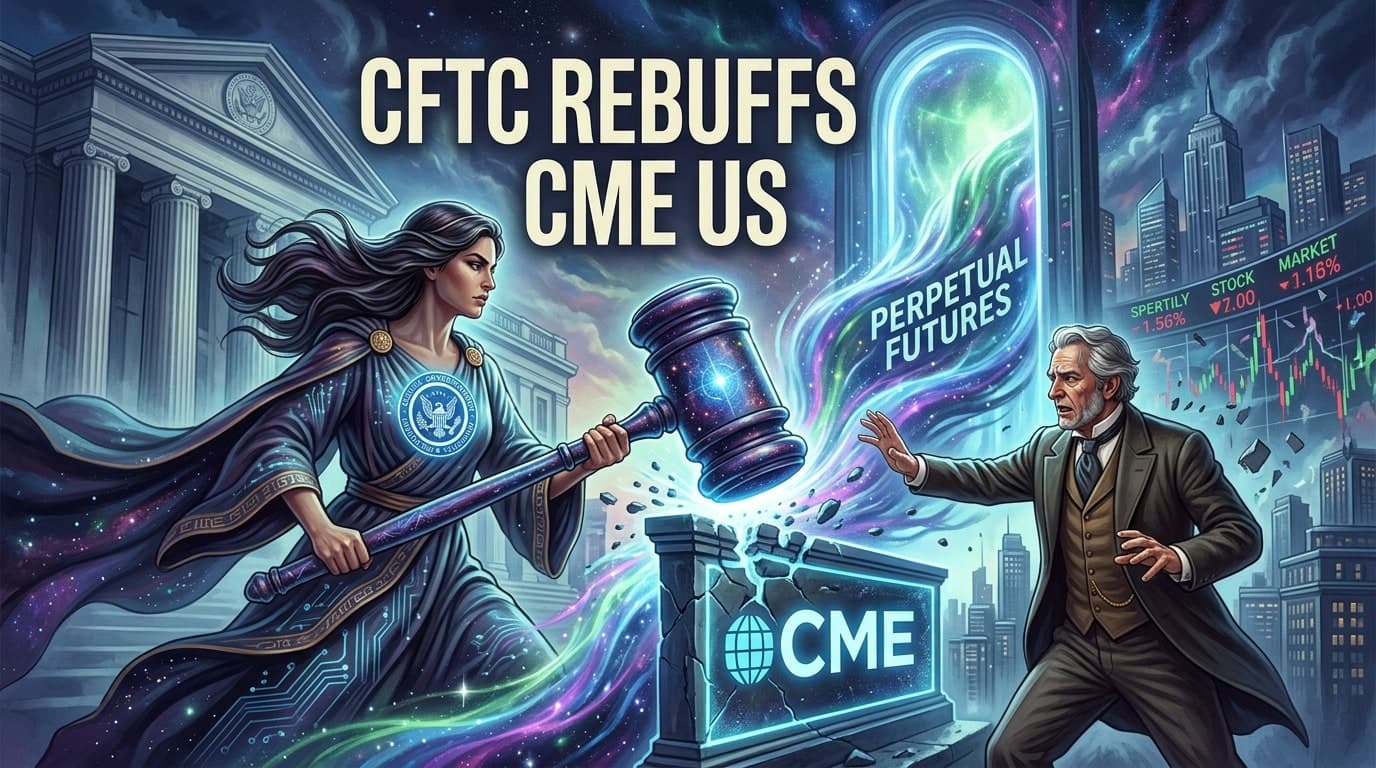
The CFTC says CME Group has not proven harm from new rules letting US perpetual futures trade onshore. The case will decide whether everyday traders can access regulated perp contracts at home, instead of relying on offshore platforms with less oversight.
What actually happened
In a brief filed Friday, the CFTC argued CME Group cannot show real harm from the agency's perpetual futures policy, according to CoinDesk. The CFTC approved its first bitcoin perpetual futures contract, from Kalshi, in May 2026. CME sued, arguing perps are swaps, not futures, since they carry no expiration date. The CFTC responded that CME 'must plausibly allege an actual or imminent increase in competition' and 'has not even done that.' The agency added that crypto futures volume at CME has actually risen since the policy change. CME did not immediately respond to a request for comment. The dispute could set precedent for how exchanges beyond Kalshi introduce similar leveraged contracts in the US.
How we got here
Perpetual futures let traders use leverage without a fixed expiration date. They already dominate crypto derivatives trading overseas. In May 2026, the CFTC agreed to regulate perps case by case as futures, following pressure from President Donald Trump to bring the products onshore. CME, which operates the world's largest derivatives exchange, filed suit soon after, calling the move improper. Last month, the CFTC first asked a judge to dismiss CME's case. Friday's brief expands that argument, noting CME has told investors on earnings calls that it sees little demand for perps, while simultaneously claiming harm in court.
Why this matters for you
For everyday wallet users, this case decides whether regulated perpetual futures become available through US platforms, not just offshore exchanges. A CFTC win could open the door for more apps, including wallet-linked trading tools, to offer perps under clear futures rules. A CME win could force any new contracts to shut down, leaving traders to migrate funds elsewhere. For builders integrating crypto derivatives into consumer apps, the outcome sets the compliance standard, futures rules versus lighter swaps rules, that will shape product design and costs. For now, anyone holding positions in new perp contracts should watch for volatility tied to the ruling.
The bigger question
Should perpetual futures count as futures, as swaps, or as something new entirely? The answer will shape leveraged crypto trading in the United States for years. It also raises a tougher question: if courts eventually side with CME, can a fast growing market of new perp contracts unwind safely, without harming the traders who already hold positions? Regulators, exchanges, and everyday users all have a stake in how that question gets answered.
What to watch
No ruling has come yet on the CFTC's motion to dismiss CME's lawsuit. TD Cowen analyst Jaret Seiberg noted Monday that continued perp market growth during the litigation could complicate any future unwind if CME ultimately wins. Watch for the judge's decision on CME's standing, and for any fresh perpetual futures approvals beyond Kalshi's bitcoin contract, details that could matter for anyone tracking crypto products inside everyday wallet apps.