US Crypto Rules Still Unsettled After 2026 Election
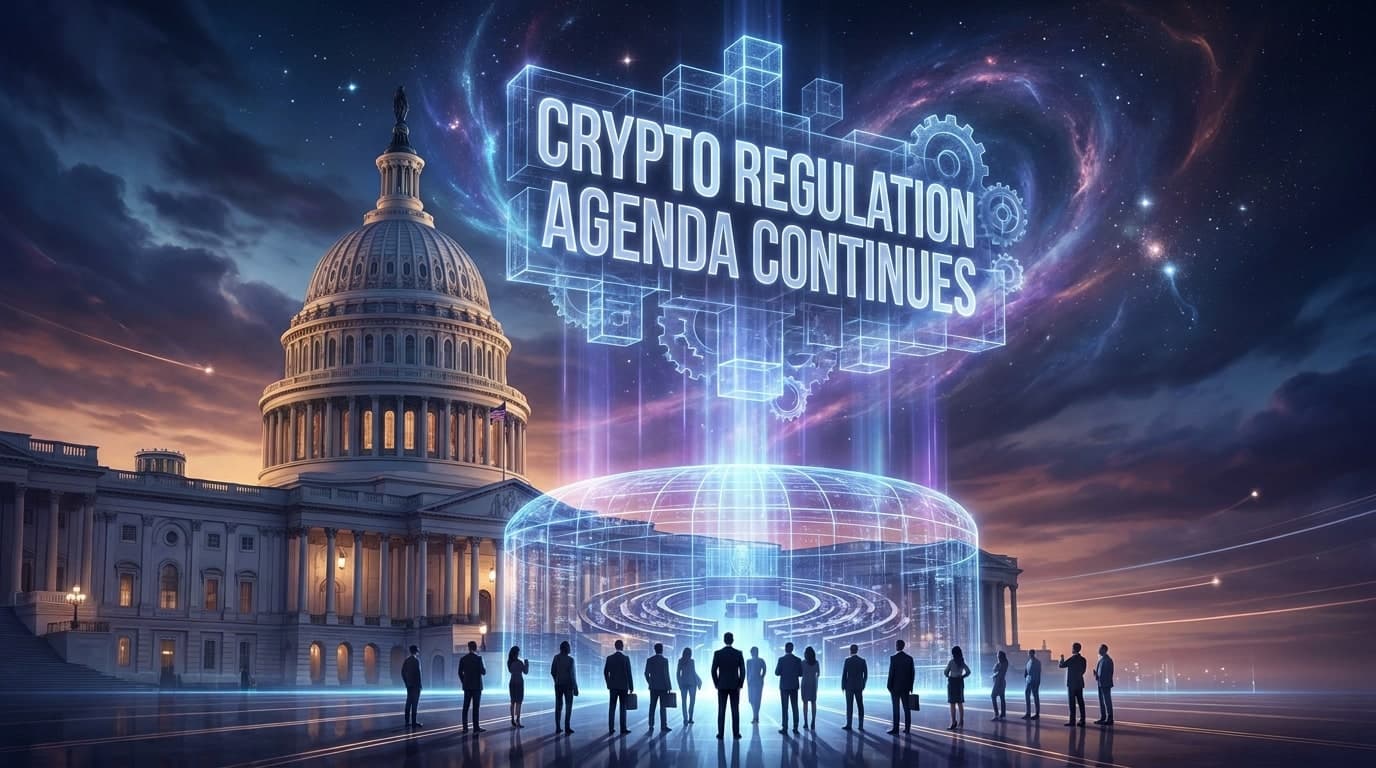
The 2026 US midterm election reshaped Congress, but crypto regulation remains unfinished. Blockchain Association policy lead Linsday Fraser says lawmakers still owe the industry clear digital asset rules. Anyone holding or building with crypto should care, because unresolved rules keep shaping which products and services can legally operate.
What actually happened
Linsday Fraser of the Blockchain Association, a US crypto trade group, published an opinion essay on 4 November 2026 via CoinDesk. Fraser writes that the incoming Congress 'inherits an unfinished assignment' to set lasting digital asset rules. The essay pairs two goals, protecting consumers and keeping American innovation growing. It names no specific bills, lawmakers, or deadlines. Fraser treats the election as a reset point for talks already underway, not a fresh start. The essay does not specify which committees or chairs will handle future proposals.
How we got here
US crypto policy has lacked a single federal framework for years. Industry groups, including the Blockchain Association, have lobbied Congress to pass market structure legislation defining how digital assets are classified and traded. Every new Congress brings committee turnover, which can restart stalled negotiations. The 2026 midterm vote shifts control of House and Senate committees that decide which crypto bills advance. Fraser frames this moment as continuity, not a restart, arguing the same regulatory gaps that existed before the election persist today.
Why this matters for you
For everyday wallet users, unsettled rules mean uncertainty over which exchanges and apps can legally serve US customers. For token holders, custody, trading, and tax treatment could still shift depending on which committees gain power. For builders, including teams working on wallets, payment tools, or smart glasses with crypto features, a stalled framework complicates product planning. Compliance requirements remain undefined, so hardware and software makers must design around guesswork rather than settled law. Until Congress acts, the bonuz ecosystem and similar platforms face the same open questions about consumer protection as everyone else.
The bigger question
Will the next Congress finally pass a comprehensive digital asset framework, or will political turnover keep resetting the clock? Each election cycle brings new committee chairs, new priorities, and fresh delays. The open question is whether crypto policy can ever separate from election outcomes, or whether digital asset rules will always depend on who just won power in Washington.
What to watch
The new Congress typically convenes in January 2027, after the November 2026 election. Expect fresh hearings and proposals on digital asset market structure as committees reorganize. No specific bill numbers or hearing dates have been announced. Readers using wallet platforms like bonuz should watch early 2027 legislative calendars for signs that the framework debate is moving forward.