Ethereum Delays Glamsterdam Upgrade Over Gas Flaw
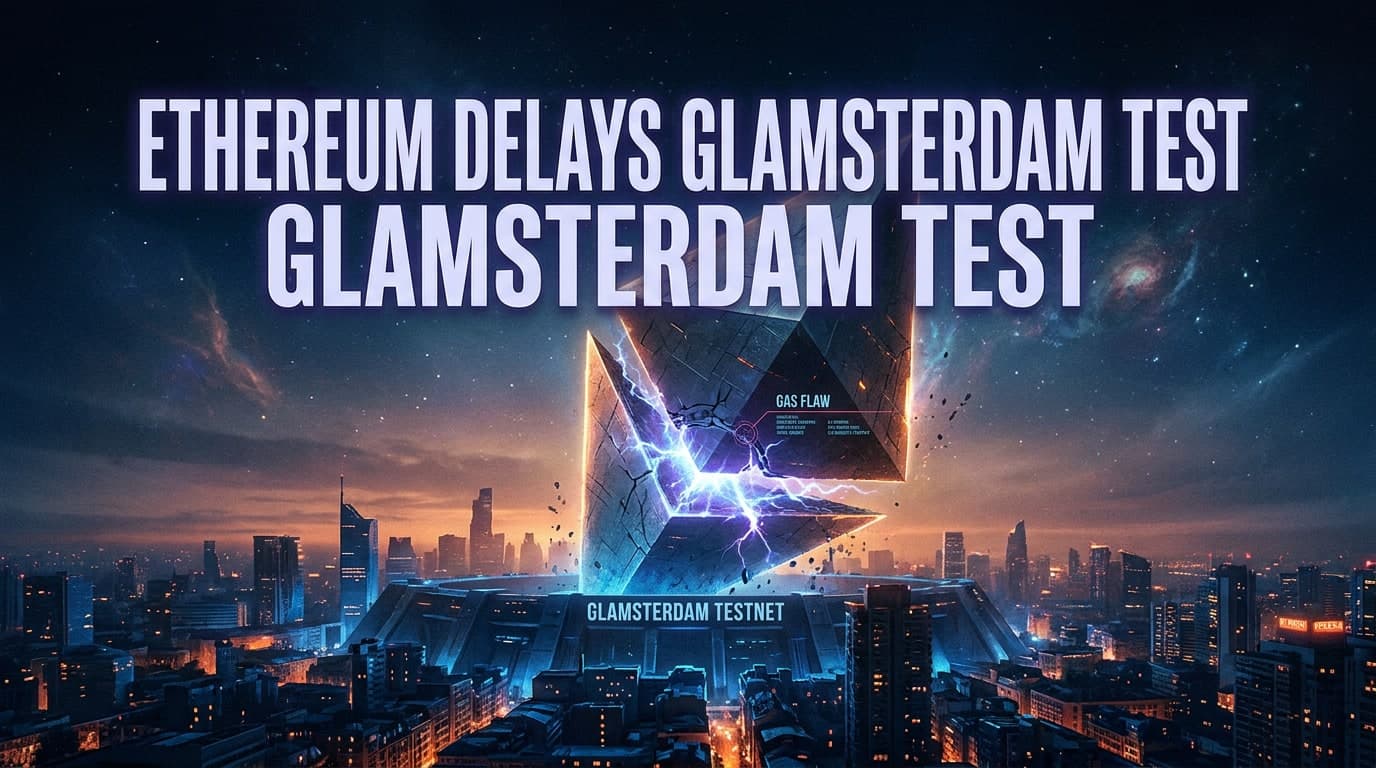
Ethereum developers postponed the Hoodi testnet trial for the Glamsterdam upgrade this week, after auditors flagged a gas-calculation bug. Wallet holders should notice: the network chose to stall rather than risk smart-contract failures reaching real money.
What actually happened
Security researchers at ChainSecurity discovered that proposed gas-metering changes in Glamsterdam could let smart contracts get stuck mid-failure, pointing to 13 confirmed real-world instances, Decrypt reported. Core developers pulled the Hoodi test fork instead of shipping the flawed logic.
Separately, Base's active address count rose another 50 percent, while transaction counts slipped 8.7 percent and dollar fees dropped 20 percent on 22 October 2026, according to The Defiant. The drop coincided with an ongoing GMGN trading contest.
ETH itself traded at $2,292 (USD), down 4.49 percent in 24 hours, moving between $2,331 and $2,411 on $9.06 billion (USD) in volume. Its market capitalization stood at $279.95 billion (USD).
How we got here
Ethereum ships upgrades through a chain of testnets, Hoodi among them, before anything touches mainnet. That staged rollout exists precisely to catch bugs like this gas-metering issue before user funds are exposed. Glamsterdam follows the Pectra upgrade and centers on how contracts price and fail computation. A parallel conversation is unfolding at Starknet, where a recent vote greenlit only research into a post-quantum Layer 1 shift, with a draft whitepaper due in November. Together, the two stories show Ethereum's base chain and its biggest rollups both slowing down to question fundamentals instead of chasing new features.
Why this matters for you
For everyday wallet holders, this pause is a quiet reassurance, Ethereum still halts releases when auditors flag real risk to funds. Builders targeting Glamsterdam should expect a later rollout and wait for a revised Hoodi date before testing against new gas rules. For people using Base through apps like bonuz, cheaper transactions are drawing more wallets even as each user transacts less often, a sign access costs matter more than activity volume. If Starknet's quantum research advances, that network's security model could eventually diverge from Ethereum's, something builders and users there should track.
The bigger question
How cautious should a blockchain be when an audit surfaces real but limited damage, just 13 cases so far? Ethereum chose to pause its entire upgrade timeline over that number. Starknet faces a related puzzle, how far can a rollup drift from Ethereum's security guarantees before it no longer counts as one? Neither question has a clear answer yet.
What to watch
StarkWare's Layer 1 transition whitepaper is due in November 2026. GMX's tokenomics update lands on 28 October 2026. Ethereum has not announced a new Hoodi testnet date, watch for client teams to publish one once the gas fix merges. Base's fee and address trends after the GMGN contest ends will show whether this growth sticks, a useful signal for anyone routing transactions through bonuz on Base.