EU Central Banks Push to Widen Stablecoin Yield Ban
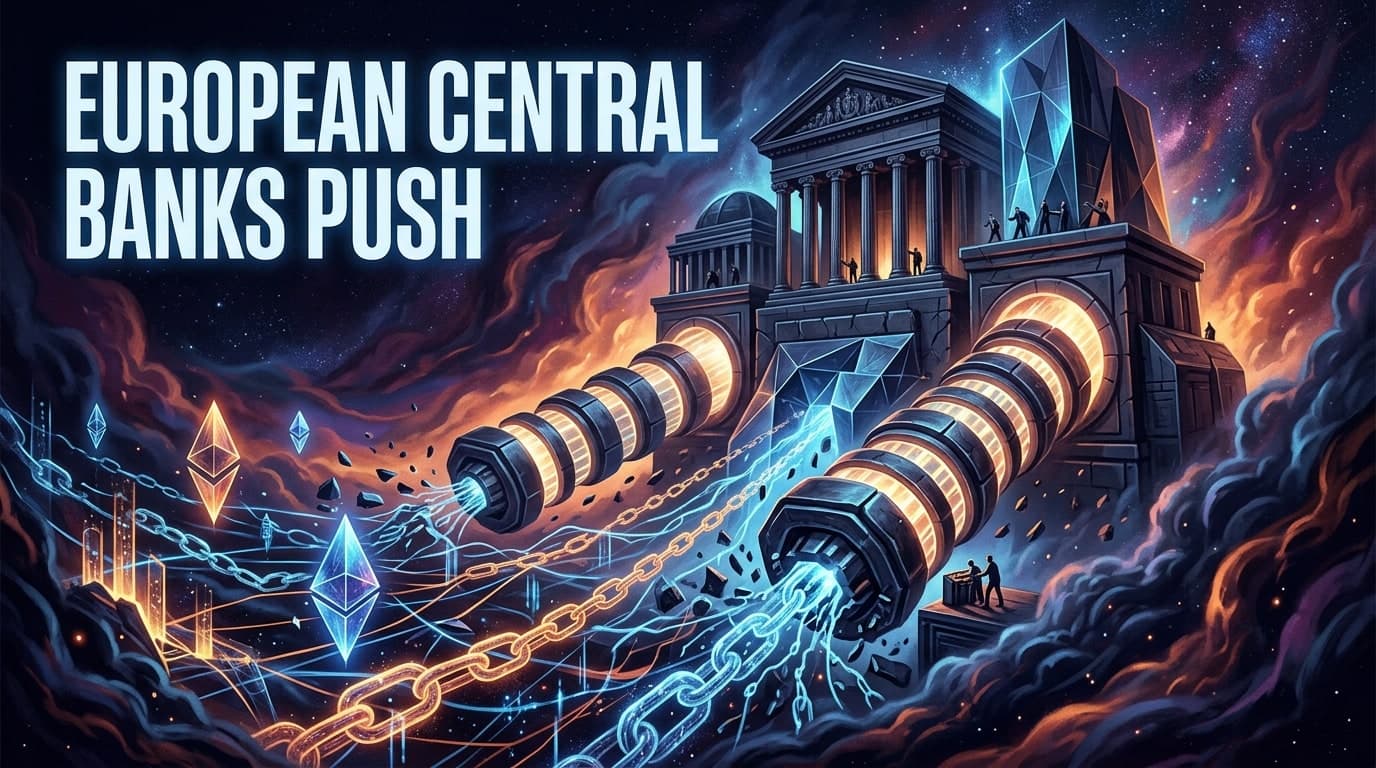
European central bankers want to stretch their stablecoin yield ban so it also blocks yield from crypto lending and staking. If you hold stablecoins in a wallet or app hoping for passive rewards, this could shrink those options soon.
What actually happened
According to CoinDesk, a group of European central bankers wants to widen an existing ban on stablecoin yield. The expanded rule would also cover crypto lending and staking products, not just direct stablecoin interest. The report does not name specific banks or officials, describing only a shared central bank position. These bankers argue that indirect yield, earned through lending or staking, blurs the line between electronic payment tokens and traditional bank deposits. They say this blurring distorts competition between crypto products and regulated banking. No date, formal vote, or confirmed rule change has been reported yet.
How we got here
Europe already restricts direct yield payments on stablecoins. This push would close what regulators see as a workaround, users earning returns without holding a stablecoin outright, instead lending it or staking connected tokens. The move fits a wider European pattern of regulators growing wary of crypto products marketed like savings accounts. Earlier stablecoin rules focused only on direct interest payments, leaving lending and staking largely untouched. That gap is what this new push targets. The report gives no timeline for supervisory or legislative action, so it remains unclear how soon, or in what form, any expanded ban would arrive.
Why this matters for you
For everyday euro area wallet users, this could mean fewer stablecoin yield options through lending or staking apps. Platforms offering these rewards may need to redesign products to avoid looking like bank deposits. Expect possibly lower advertised returns, more risk warnings, or product changes on affected apps. Builders working on wallets, including those tied to AR and smart glasses hardware exploring built in finance features, should factor this uncertainty into any European yield product plans. If you use a bonuz wallet or similar app for stablecoin savings, watch for updated terms or paused features as this develops.
The bigger question
If earning yield indirectly, through lending or staking, counts the same as earning it directly, where should regulators draw the line between a savings product and a payment token? The answer matters beyond Europe, since other regulators are watching. It could decide whether crypto lending and staking stay mainstream, or move toward less regulated markets.
What to watch
No official timeline exists yet for this proposed expansion. Watch for formal statements or draft proposals from European central banks in coming months. Any new rule would likely require public consultation first. Bonuz will keep tracking how this affects yield features inside consumer wallets, including apps built for wearable and AR devices.