Gamification Grew Up: What Comes After Pokémon GO
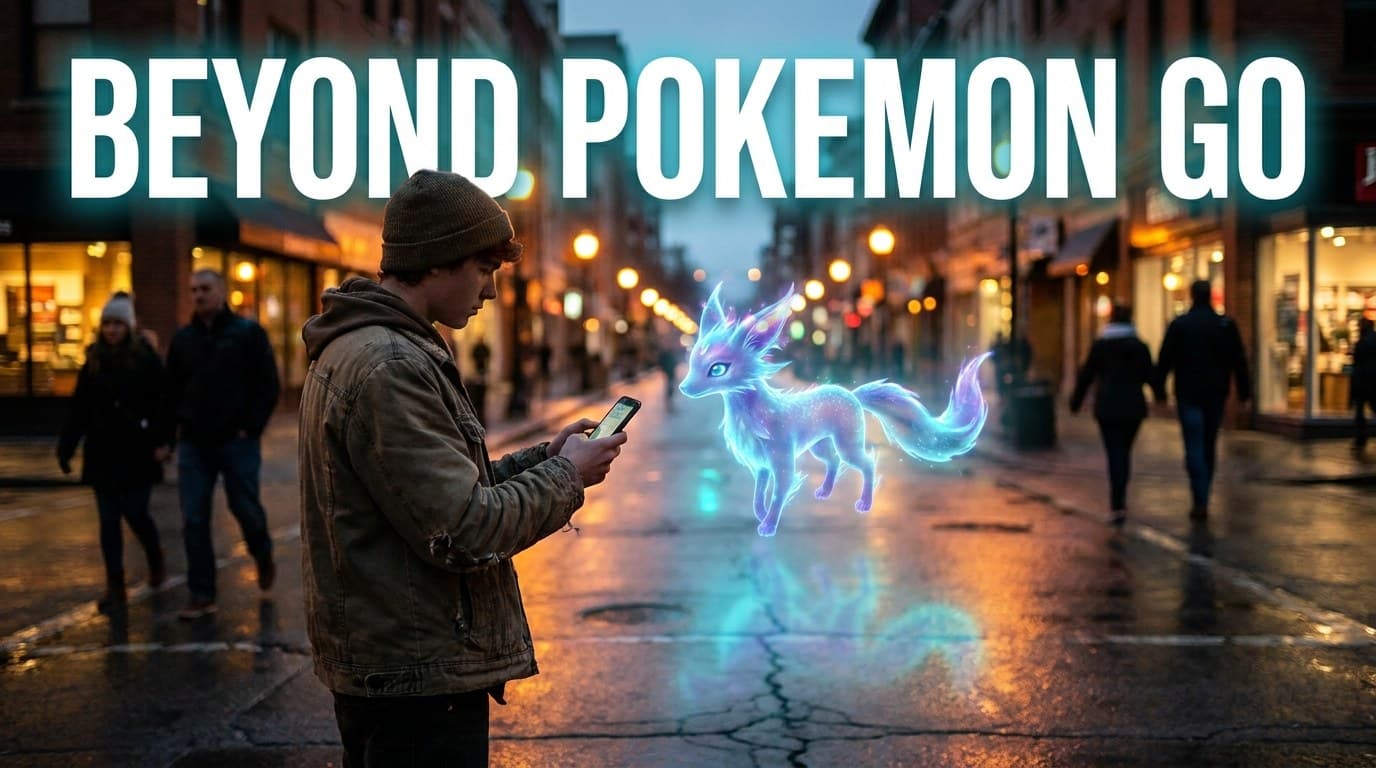
Pokémon GO turned smartphones into treasure maps back in 2016. Overnight, people were walking city blocks to catch imaginary monsters, and "gamification" stopped being a buzzword and became something you could see on every street corner.
Fast forward: in 2025, Niantic sold Pokémon GO and its sibling games (Pikmin Bloom, Monster Hunter Now) to Scopely for roughly $3.5 billion, while spinning its underlying AI and geospatial mapping tech into a new company, Niantic Spatial. The games kept running. The real prize turned out to be the location data and AR infrastructure built to make them work.
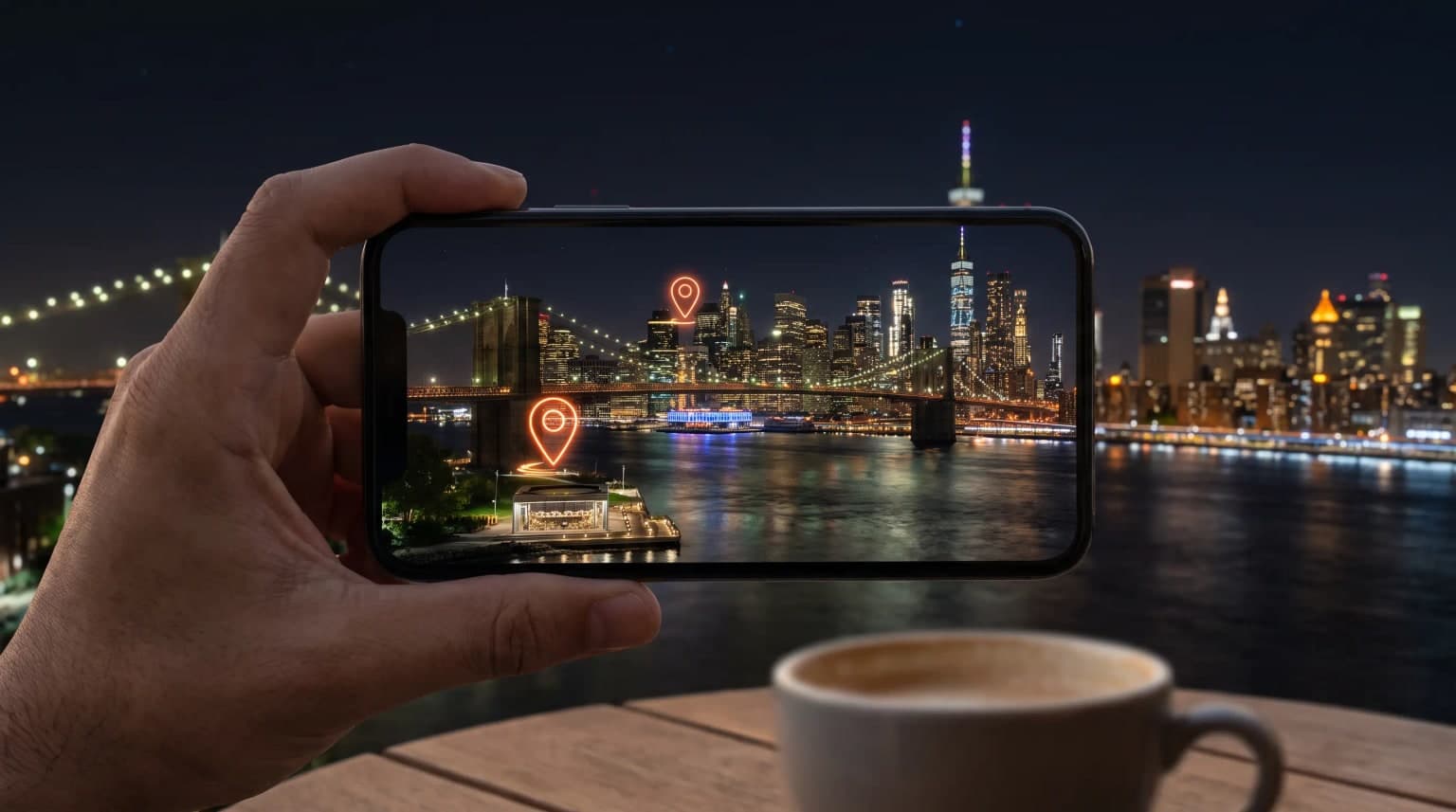
That split says a lot about where consumer gamification is heading. It's no longer just "catch things in AR," it's location-aware AI layered onto everyday movement: fitness apps that turn your walk into a quest, loyalty programs that reward you for showing up somewhere physical, onboarding flows that feel like a game instead of a form.
At bonuz, this is exactly the layer we build on, engagement protocols, quests, and passes that turn brand interactions into something people actually want to do, not another checkbox. Pokémon GO showed the appetite is real. The infrastructure just needed to catch up.