Injective Launches Index to Trade Nvidia GPU Rental Costs
Injective just turned Nvidia chip rental prices into something you can trade. If AI computing costs become a market like oil or gold, anyone holding crypto gets a new way to bet on the AI boom, or its slowdown.
What actually happened
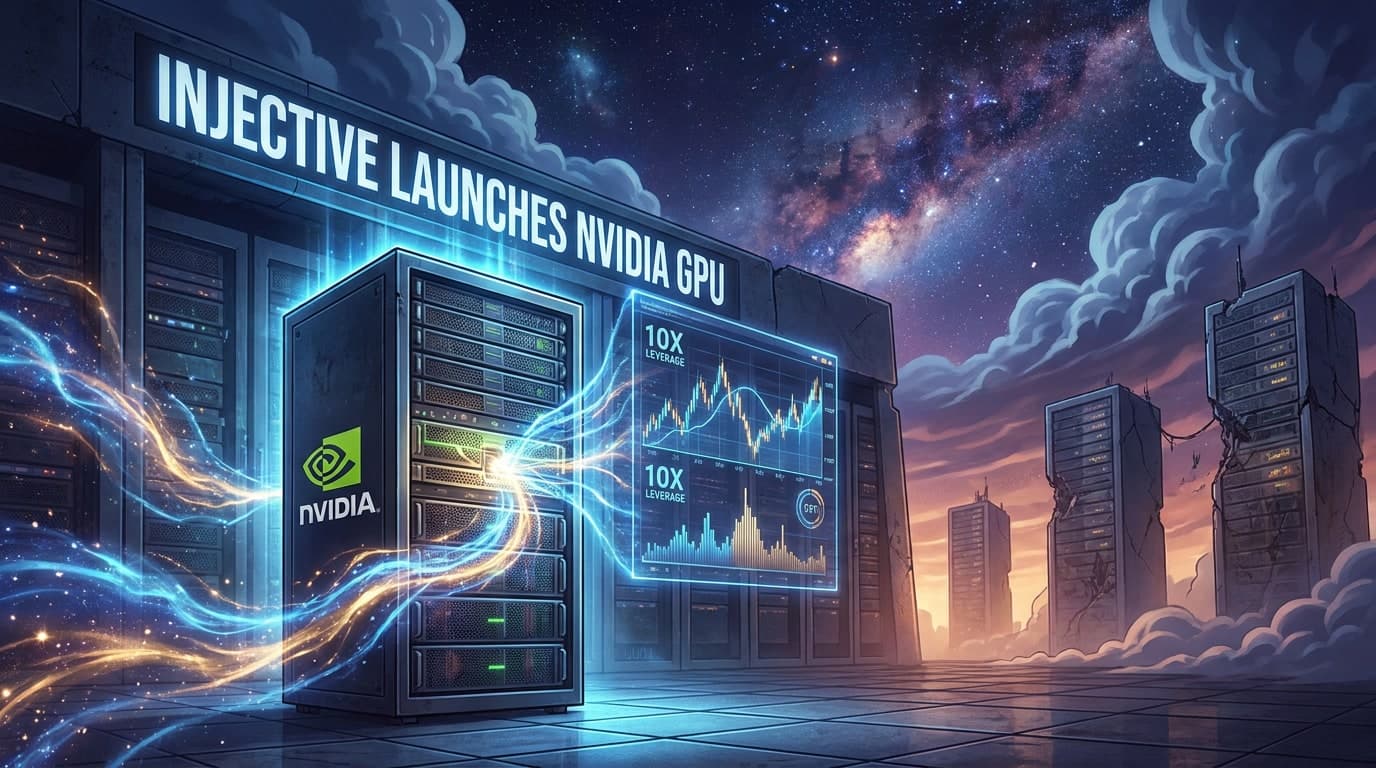
On 26 October 2026, Injective rolled out the Super Intelligence Compute Index (SICI), according to Cointelegraph. The index tracks rental rates for five Nvidia chips: H100, B200, H200, A100 and RTX 4090. H100 rentals carry the heaviest weight, 40%, with B200 next at 25%. Prices refresh every hour, based on a rolling seven-day average compiled by data firm LO:TECH. Traders use USDC as collateral and can apply up to 10x leverage to wager on whether compute costs climb or drop. The market builds on an earlier Injective product from August 2025 that tracked only H100 prices before expanding to cover five chips now.
How we got here
AI labs typically lease computing power from specialist firms such as CoreWeave and Nebius rather than buying hardware outright. That rental model leaves both sides open to sudden price swings. Injective first tested this idea in August 2025, tracking only H100 costs. The timing of this expansion follows warnings about the neocloud business itself. Gartner said in October 2026 that more than 80% of specialist AI cloud providers could stop running independently by 2030. Elon Musk went further, predicting over 200 neocloud firms could fail or merge as lenders grow cautious about financing AI data centers, per Cointelegraph.
Why this matters for you
For everyday wallet holders, this is a new category of onchain product worth understanding before touching it. Leverage up to 10x means gains and losses move fast in either direction. For developers building AI tools, the index offers a way to hedge against rising rental bills before signing cloud deals. For GPU providers, it offers insurance if rental demand falls. For the broader bonuz ecosystem, it shows how wallets may soon need to support more specialized, data driven derivatives, not just token swaps. If neocloud stress grows as Gartner and Musk expect, interest in these hedging tools could rise fast.
The bigger question
Musk has warned that more than 200 neocloud providers could fail or consolidate in the years ahead. Could a leveraged futures market tied to just five GPU rental prices genuinely protect developers and providers from that kind of shock? Or would a sector wide collapse in AI infrastructure spending hit both sides of every trade simultaneously, leaving leveraged traders exposed no matter which way prices move?
What to watch
Gartner's 2030 timeline marks the point by which neocloud consolidation could peak. Microsoft's $175 billion (USD) 2026 capital spending plan, alongside its buyout offer to roughly 60,000 employees, will show how major cloud players handle AI costs. Watch whether Injective widens the SICI index further, and whether trading volume reflects genuine hedging demand from AI developers and GPU providers.