Kalshi Denies CFTC Probe Over Ether Market Activity
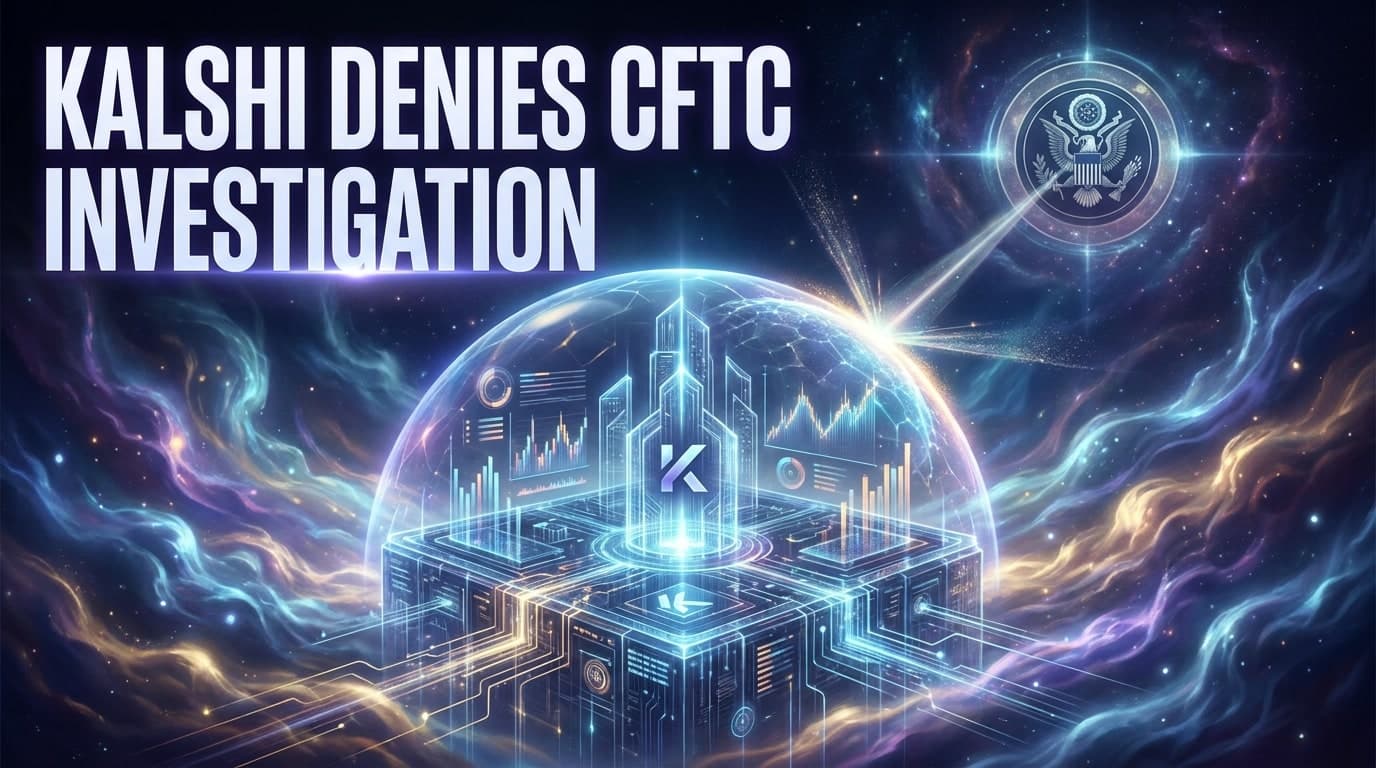
Kalshi, a US prediction market, says regulators are not probing its trading activity. It blames strange patterns in its ether perpetual market on its own liquidity rewards, not misconduct. Everyday traders should care because this shapes how much they can trust crypto prediction platforms.
What actually happened
According to CoinDesk, Kalshi confirmed it faces no active investigation from the Commodity Futures Trading Commission. The company said unusual activity in its ether perpetual market comes from liquidity incentives it pays out, not manipulation. The report includes no direct statement from the CFTC, and no named Kalshi executive is quoted. No trading volumes, dollar amounts, or specific dates linked to the disputed activity appeared in the coverage. The claim rests entirely on Kalshi's own account, without independent confirmation from the regulator itself.
How we got here
Prediction markets have pushed further into contracts that mirror financial derivatives, including ones tied to crypto prices like ether. This growth pulls regulatory attention, since contracts that settle on price movement can resemble futures products under CFTC rules. When new markets show odd volume or pricing, outsiders and regulators often ask questions first. Kalshi's answer here follows a familiar pattern. Platforms often credit their own incentive programs when activity looks unusual to observers outside the system.
Why this matters for you
For everyday wallet users trading through apps like bonuz, this matters less about legal risk today and more about trust signals. A platform clearing itself of wrongdoing, without a regulator confirming it, sets a precedent others may follow. Builders designing liquidity incentive programs should note that reward structures can create trading patterns that look suspicious even when nothing improper occurs. Anyone holding positions linked to ether perpetual contracts should watch for any CFTC statement that backs or contradicts Kalshi's version of events.
The bigger question
Can a prediction market's own explanation stand in for regulatory confirmation, and should users accept that at face value? As more platforms list crypto-linked contracts, telling normal liquidity design apart from activity worth investigating grows harder for traders and regulators alike. The answer will shape how much faith wallet users place in self-reported explanations across similar platforms.
What to watch
No public CFTC statement exists yet confirming or denying scrutiny of Kalshi. Watch for any regulatory filing, agency comment, or fresh reporting that reveals trading volumes or specific dates behind the ether perpetual market activity. bonuz.market will track developments touching crypto-adjacent trading tools used by its wallet community.