Lake Mariner Fire Shows AI Data Center Blind Spots
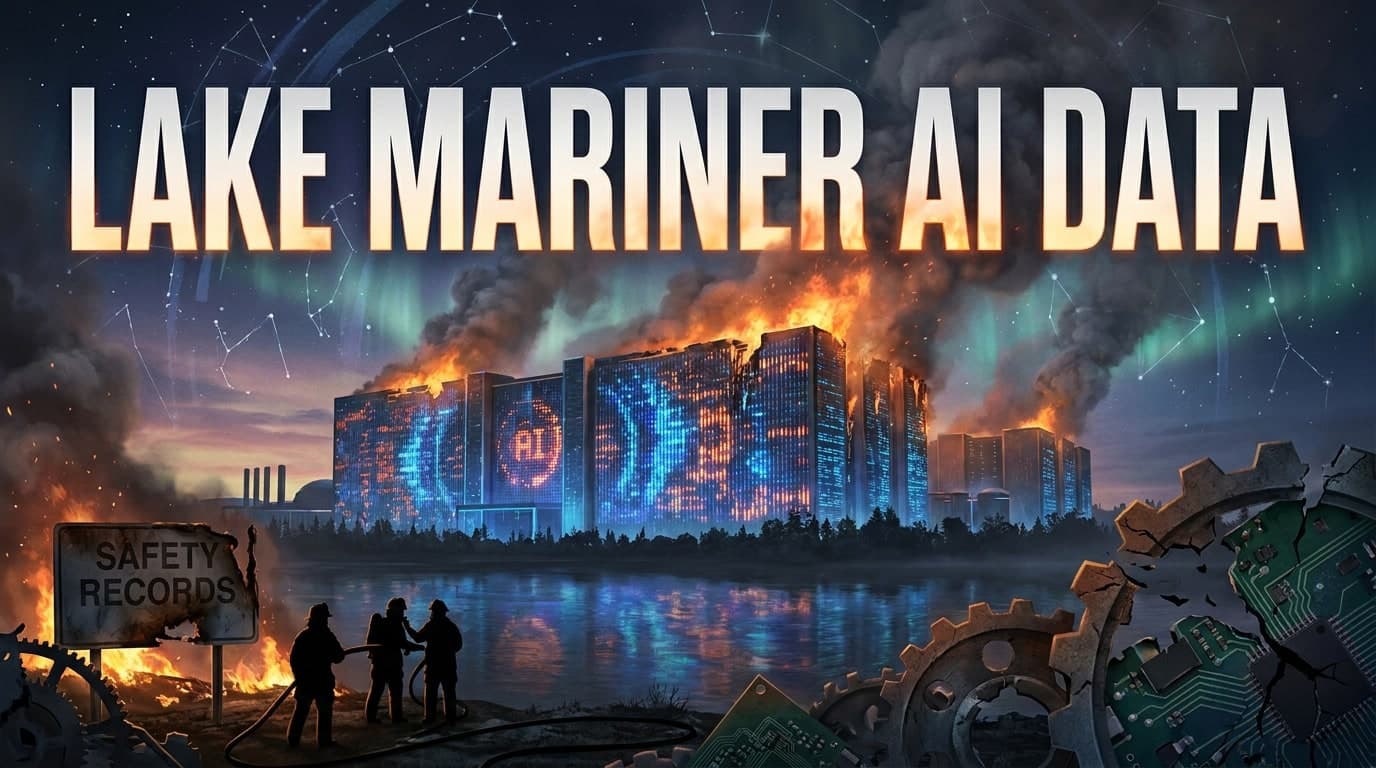
A fire broke out in June at TeraWulf's Lake Mariner AI data center in New York. Firefighters found no working alarms and dry hydrants. The case matters because it shows how ownership, leasing, and compute deals can blur who is responsible when something breaks.
What actually happened
The fire hit an unfinished building in early June 2026. Firefighters found no alarm, no suppression system, and three dead hydrants, according to Ars Technica. Barker Fire Department chief Steve Matisz said crews went in 'kind of blind' amid thick black smoke from unknown chemicals. TeraWulf owns and runs the site, on land leased from a firm tied to its own CEO, Paul Prager. Fluidstack, a UK company, operates the center. Google holds warrants for a future 14 percent stake and backs Fluidstack's lease payments. Anthropic is among the AI firms using the facility. TeraWulf's Kerri Langlais said the company added Knox boxes, extra hydrants, and safety data sheets after the fire. By mid August, Matisz said hydrants were 'still dry.'
How we got here
Lake Mariner sits on a former coal mine site. TeraWulf's 2024 planning filing promised 35 to 40 jobs from full buildout, far below the 165 jobs and $85 million (USD) investment promised back in 2019. New York Governor Kathy Hochul paused new hyperscaler data center approvals last month, saying such sites 'do not deliver significant, long-term jobs.' TeraWulf's own clean energy claims have also shifted, from '95 percent zero-carbon energy' in 2024 to a '91 percent, low-carbon' framing in 2025.
Why this matters for you
For everyday wallet users, this story is a reminder that the hardware behind AI and crypto infrastructure carries real world risk, not just price charts. If you hold tokens tied to TeraWulf or mining-to-AI pivots, unresolved safety and regulatory issues could weigh on future contracts and valuations. For builders in the bonuz ecosystem exploring AR and smart glasses hardware, the case is a signal that data center partners deserve scrutiny before integration. Shared ownership structures can hide who answers for safety, jobs, or energy claims, a pattern worth watching as more compute demand shifts toward wearable and AI-linked devices.
The bigger question
When several companies share ownership, leasing, and compute demand at one site, who is truly accountable if something goes wrong? Lake Mariner has an owner, an operator, an equity holder, and a customer, yet no single party has fully answered community concerns. As AI and crypto infrastructure spreads through similar layered deals, regulators, insurers, and everyday users may need clearer answers before, not after, the next incident.
What to watch
New York Power Authority reviews Lake Mariner's job and investment compliance yearly and can adjust benefits if targets are missed. TeraWulf signed a 20 year, $19 billion (USD) direct lease with Anthropic for a Kentucky site, announced 6 July 2026, offering a contrast between owned and leased AI facilities. Community meetings in Somerset and future grid reports will show whether safety fixes hold.