NVIDIA Brev Breach: What It Means for Wallet Users
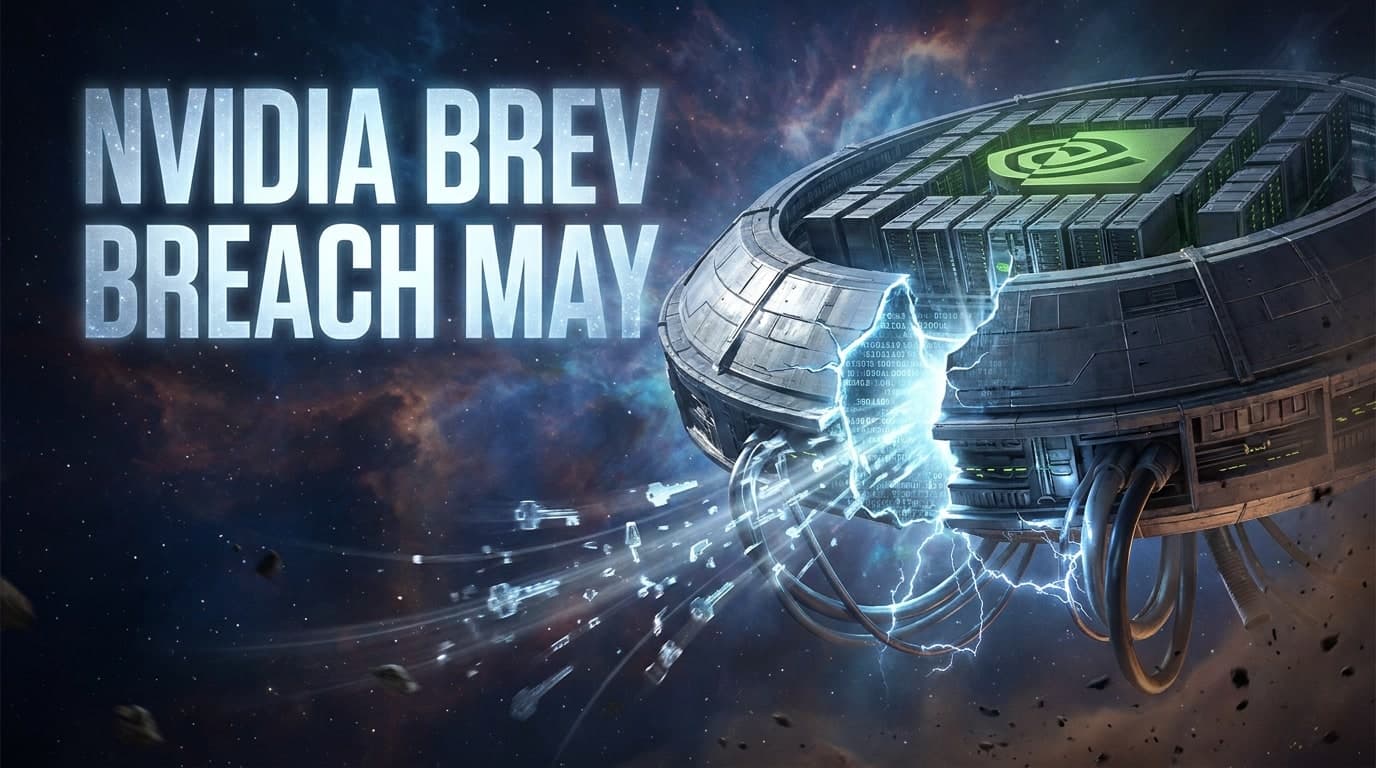
NVIDIA found unauthorized access on its Brev cloud platform that may have exposed SSH keys guarding customer virtual machines. Anyone who rents GPU compute, including wallet apps and Web3 tools that lean on cloud rendering, should check if their access credentials were touched.
What actually happened
NVIDIA's Brev service, a cloud tool for spinning up developer virtual machines, saw unauthorized activity between 4 October and 20 October 2025, a 16 day window, according to Tom's Hardware. The exposed SSH keys are the credentials used to log into customer virtual machines remotely. NVIDIA rotated every affected key and refreshed customer instances as a safeguard, the outlet reported. The company states it has found no evidence that any exposed key was actually misused. Tom's Hardware notes that NVIDIA did not release customer names, dollar figures, or a count of affected virtual machines.
How we got here
NVIDIA has leaned harder into cloud services as AI compute demand surges, pairing its GPUs with developer tools such as Brev. SSH keys are the standard way developers get secure remote access to cloud servers. A single leaked key can open a system without extra verification, which is why providers react fast when one surfaces. Cloud credential leaks have grown more common as AI infrastructure companies expand services quickly, sometimes outpacing security checks. This episode fits that pattern, a fast growing developer platform catching an intrusion only after more than two weeks.
Why this matters for you
For everyday wallet users, this incident sits one step removed, but the chain matters. Many Web3 apps, including rendering tools for AR and smart glasses, rent GPU compute from providers like NVIDIA rather than owning hardware. If that shared infrastructure gets compromised, apps built on top can inherit the risk. Builders tied to bonuz or similar ecosystems should ask vendors about credential rotation policies and favor short-lived access tokens over static keys. Regular users should not panic, but it is a reminder that convenience services carry invisible dependencies. Centralized cloud compute remains a soft spot even in decentralized products.
The bigger question
As AI cloud platforms scale faster than their security reviews, who should carry the risk when a credential leaks, the provider or the customer? Brev's 16 day gap between intrusion and detection shows how long exposure can go unnoticed. That delay matters more as crypto wallets, AR software, and smart glasses increasingly depend on rented cloud GPUs instead of local hardware. How much of that dependency can the industry afford before trust becomes the bottleneck?
What to watch
NVIDIA has given no public date for a final report on the Brev incident. Customers should watch for official confirmation that all affected keys were rotated across every instance. Anyone building wallet, AR, or smart glasses tools on NVIDIA cloud infrastructure should follow NVIDIA's own channels for updates. bonuz.market will note further disclosures if NVIDIA issues them.