Nvidia, Costco, Nike Reject OKX-ICE Stock Tokenization
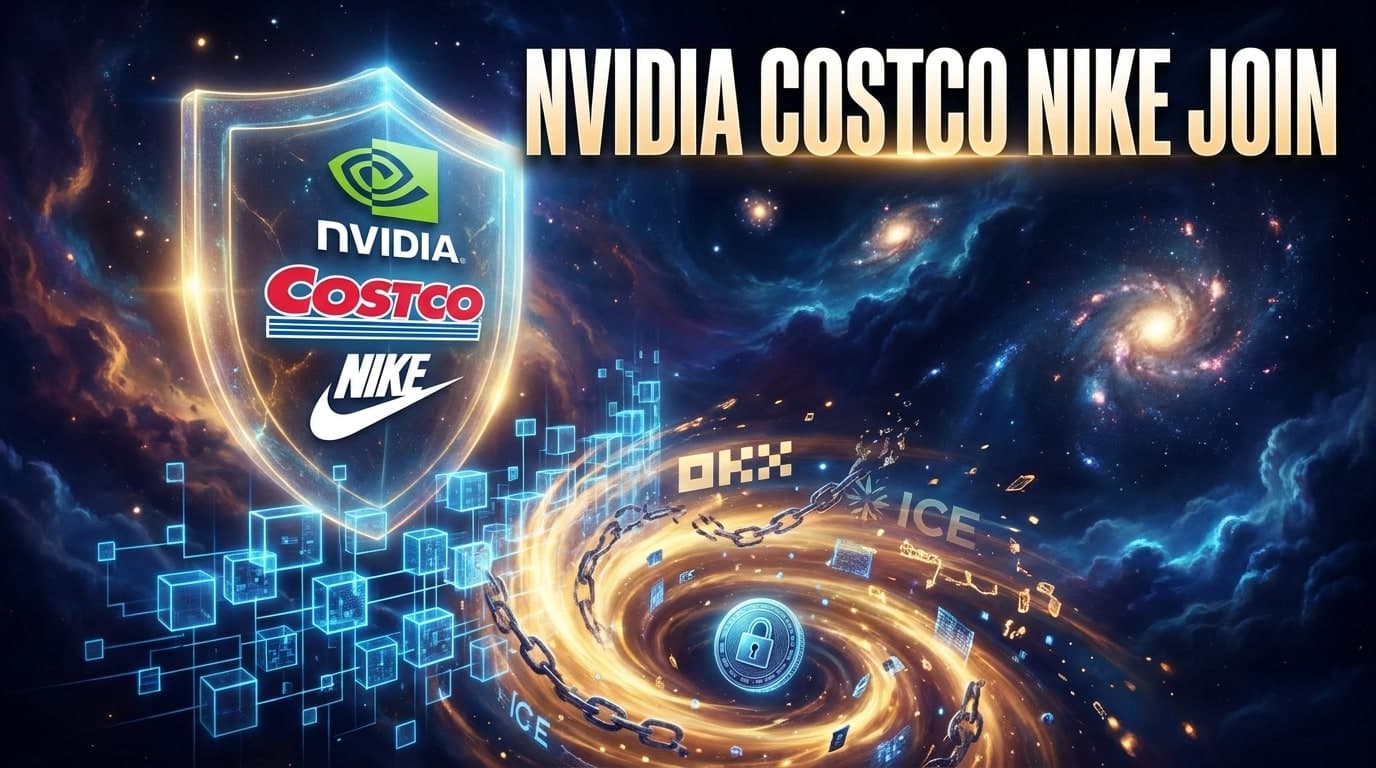
Nvidia, Costco and Nike have told OKX and ICE they want no part in a plan to turn their shares into blockchain tokens. Almost 70% of the companies first picked for the project have walked away, and that matters if you ever plan to hold a tokenized stock.
What actually happened
According to CoinDesk, nearly 70% of the firms first chosen for the OKX and ICE tokenized stock scheme have opted out. Nvidia, Costco and Nike are now named among the objectors. Separately, 19 companies, including Apple, Tesla and Amazon, have raised no public objection as the 30-day reply window nears its close, the outlet reported. Neither OKX nor ICE has issued a public statement in the report. None of the named firms, Nvidia, Costco, Nike, Apple, Tesla or Amazon, gave direct quotes in the source material.
How we got here
Tokenized stocks are blockchain tokens built to track the price of public shares, letting people trade them outside standard market hours. Exchanges and crypto infrastructure firms have pitched these tokens as a link between traditional equity markets and digital assets. OKX and ICE reportedly added a batch of well-known companies to their plan before asking for permission, which pushed many firms to withdraw once the details came out, per the report. The episode mirrors a wider trend of platforms testing how far they can tokenize real assets before hitting pushback from the companies involved.
Why this matters for you
For anyone holding a wallet and watching tokenized assets, this dispute is a warning sign. If a company can opt out at will, any token tied to its stock may lack real backing or cooperation from the business itself. For platforms building tokenization tools, including those in the bonuz ecosystem, the high refusal rate shows company consent matters as much as the technology. Everyday users should expect fewer blue-chip tokenized shares to actually launch, and exchanges may need direct deals with firms first, which could delay rollouts.
The bigger question
Should a company control whether its stock gets tokenized, even when the token is a separate product issued by an exchange rather than real equity? The answer will decide if tokenized real-world assets become a genuine bridge to traditional finance, or stay stuck in legal limbo, and who ultimately owns a company's financial identity on-chain.
What to watch
The 30-day objection window is reported to be closing soon, though no exact date was given. Watch for whether OKX and ICE adjust their list or respond publicly to the opt-outs. Comments from Apple, Tesla, Amazon or the remaining 19 firms could also clarify where this plan goes next.