Robotaxi Crackdown 2026: What US Riders Need to Know
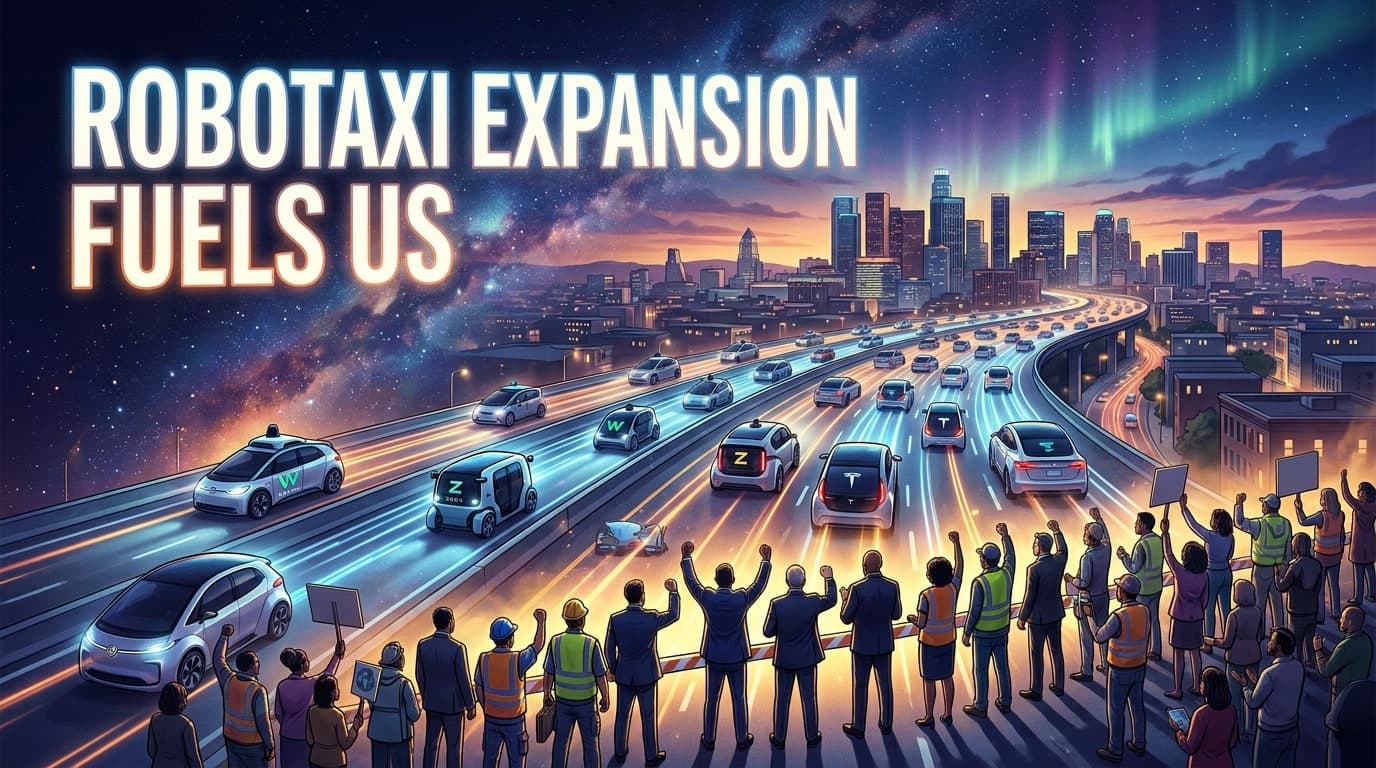
Robotaxis are multiplying across US cities in 2026, and so is political pushback against them. New York, Washington DC and California are all tightening rules on Waymo, Zoox and Tesla. Anyone who might hail a driverless ride, or work in transport, should know these rules are shifting fast.
What actually happened
Governor Kathy Hochul pulled a plan to allow driverless robotaxis outside New York City after taxi unions objected, according to The Verge. Washington DC lawmakers are debating a 200-vehicle cap plus a 15 cent per mile fee. Since July, California police can ticket robotaxi makers directly for traffic violations. Waymo runs over 3,500 vehicles across 11 cities and delivers more than 500,000 paid rides weekly, a fraction of Uber's roughly 40 million daily global trips. Zoox launched paid rides in Las Vegas. Senator Ed Markey summed up the gap in oversight: "our regulatory structure amounts to this: we hope they're telling the truth."
How we got here
Robotaxis moved from research pilots to visible commercial fleets this year. Waymo scaled steadily, Zoox launched a driverless-only design, and Tesla pushed toward its Cybercab, putting autonomous cars in daily view. That visibility invited scrutiny. San Francisco's mayor, once supportive, now wants tighter rules after robotaxis blocked emergency vehicles. Federal safety regulators have flagged cars failing to yield to first responders. Labor unions, worried about jobs for years, are gaining traction as fleets grow larger and more visible in everyday traffic.
Why this matters for you
For everyday riders, more cities could soon offer robotaxi service, though state rules may slow that in places like New York. For drivers in taxis, trucking and delivery, automation worries are sharpening, and unions want humans aboard heavier autonomous vehicles. For app and wallet builders watching mobility tech, new safety and permitting rules could raise costs upfront but build long-term trust in autonomous systems. Anyone tracking hardware and sensors, an area close to bonuz's own interest in wearable and connected devices, should watch demand shift toward stronger vehicle-perception systems as camera-only setups face pushback.
The bigger question
As robotaxi fleets grow from thousands of vehicles toward hundreds of thousands, who should set the pace of rollout: federal regulators, state legislatures, or the cities living daily with the traffic and safety consequences? Today's patchwork of overlapping rules across states suggests nobody has settled that question yet, and the answer will shape how fast this technology reaches ordinary riders.
What to watch
Tesla's Cybercab is expected to launch later in 2026. Zoox plans to bring its Explorer program to Austin and Miami later this year. Washington DC lawmakers continue weighing the proposed vehicle cap and mileage fee. New Jersey and New York legislators are reviewing new AV safety proposals in the coming months.