RTX 5090 Bundle Sales Echo Crypto Mining GPU Shortages
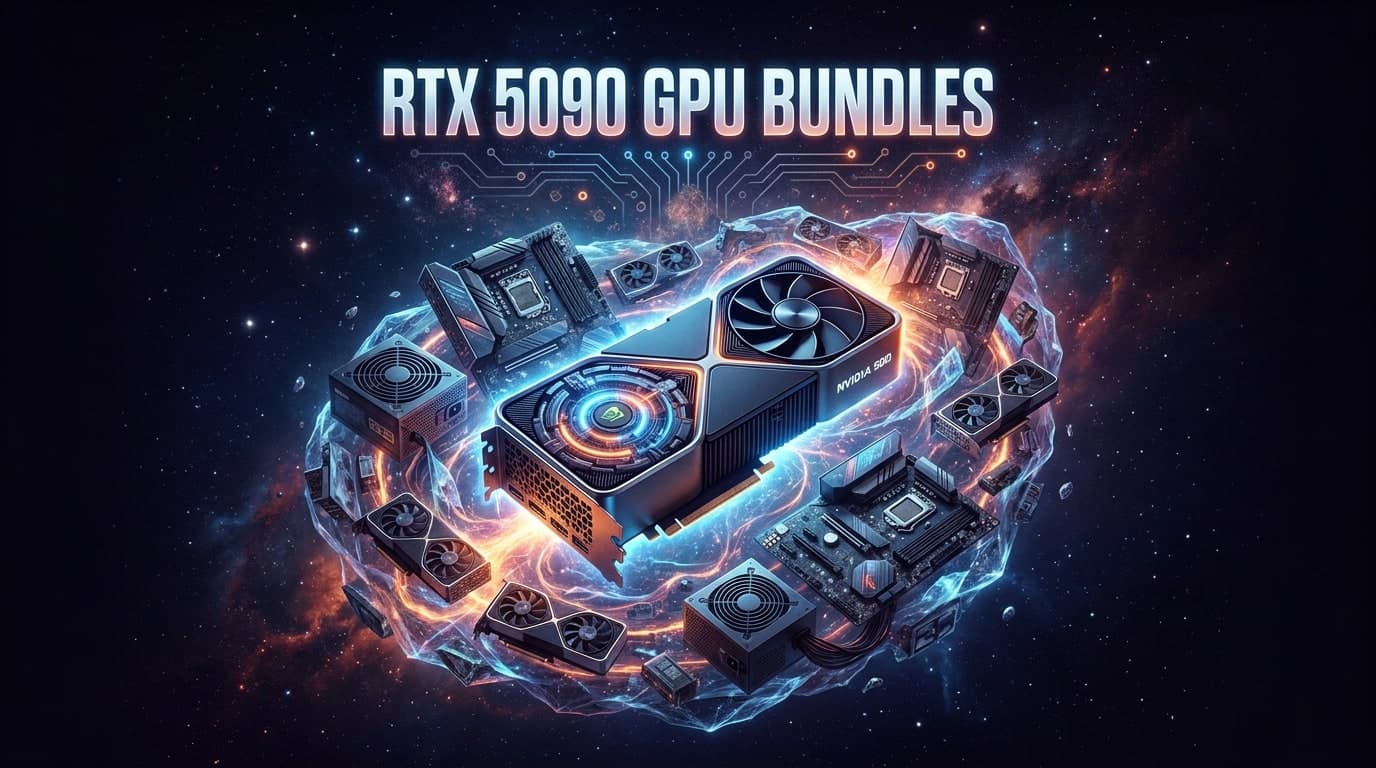
Taiwan's PChome24h now forces buyers to purchase up to eight motherboards just to get one Nvidia RTX 5090 graphics card. This tactic mirrors the forced bundling seen during the 2017 to 2021 crypto mining rush, and it signals that GPU scarcity can resurface with any high-demand hardware launch, AR devices included.
What actually happened
PChome24h, a leading Taiwan ecommerce retailer, packages the RTX 5090 with as many as eight motherboards plus extra low and mid tier graphics cards, according to Tom's Hardware. No pricing or full bundle contents were disclosed beyond that motherboard count. The outlet frames this as a preview of where PC hardware retail is heading, directly comparing it to crypto boom era scalping, when mining demand made GPUs disappear from shelves unless bought with unrelated parts. The RTX 5090 is Nvidia's current flagship consumer GPU, built for gaming and AI workloads. No statement from Nvidia or PChome24h accompanies the report.
How we got here
Between 2017 and 2021, mining demand drained GPU stock worldwide. Retailers exploited that shortage, forcing buyers into bundles containing parts nobody wanted, just to reach the card everybody wanted. That era left a lasting reputation problem across PC hardware retail. This time, no mining boom drives the RTX 5090 shortage, yet the same bundling tactic returned. That detail matters. It suggests scarcity driven bundling is not tied only to crypto demand. It can appear whenever a flagship GPU launches with demand exceeding supply, whatever technology fuels that demand.
Why this matters for you
For everyday shoppers, forced bundles raise the real cost of owning a flagship GPU, since unwanted motherboards and cards still cost money. For builders assembling AI or rendering rigs, tighter allocation could delay projects that depend on RTX 5090 power. Crypto and Web3 hardware watchers should note the parallel: scarcity tactics tied to mining never fully disappeared, they simply waited for the next demand spike. For AR and smart glasses developers, this matters too, since many prototyping and simulation pipelines still run on desktop GPUs like the RTX 5090. Any bundling driven price rise could push development costs up before dedicated AR chips reach scale.
The bigger question
Will bundling schemes like PChome24h's spread beyond Taiwan as RTX 5090 demand grows, or will Nvidia and retailers step in to stop forced purchase sales? More broadly, does GPU scarcity always trace back to one driver like mining, or will it keep resurfacing with every hardware generation, whether crypto, AI, or AR devices create the demand?
What to watch
No dates or official statements exist yet from Nvidia or PChome24h. Watch for confirmation, denial, or response from Nvidia, plus reactions from other Taiwanese and regional retailers. Bonuz.market will track whether similar bundling spreads to other markets and how GPU allocation trends affect hardware costs tied to AR and wearable prototyping.