New SEC Crypto FAQ Clarifies Token Marketing Rules
The SEC's staff said, in a new crypto FAQ, that marketing a token's current features usually does not create profit expectations under securities law. Wallet users and app builders should care, since this touches the line between normal product talk and a securities pitch.
What actually happened
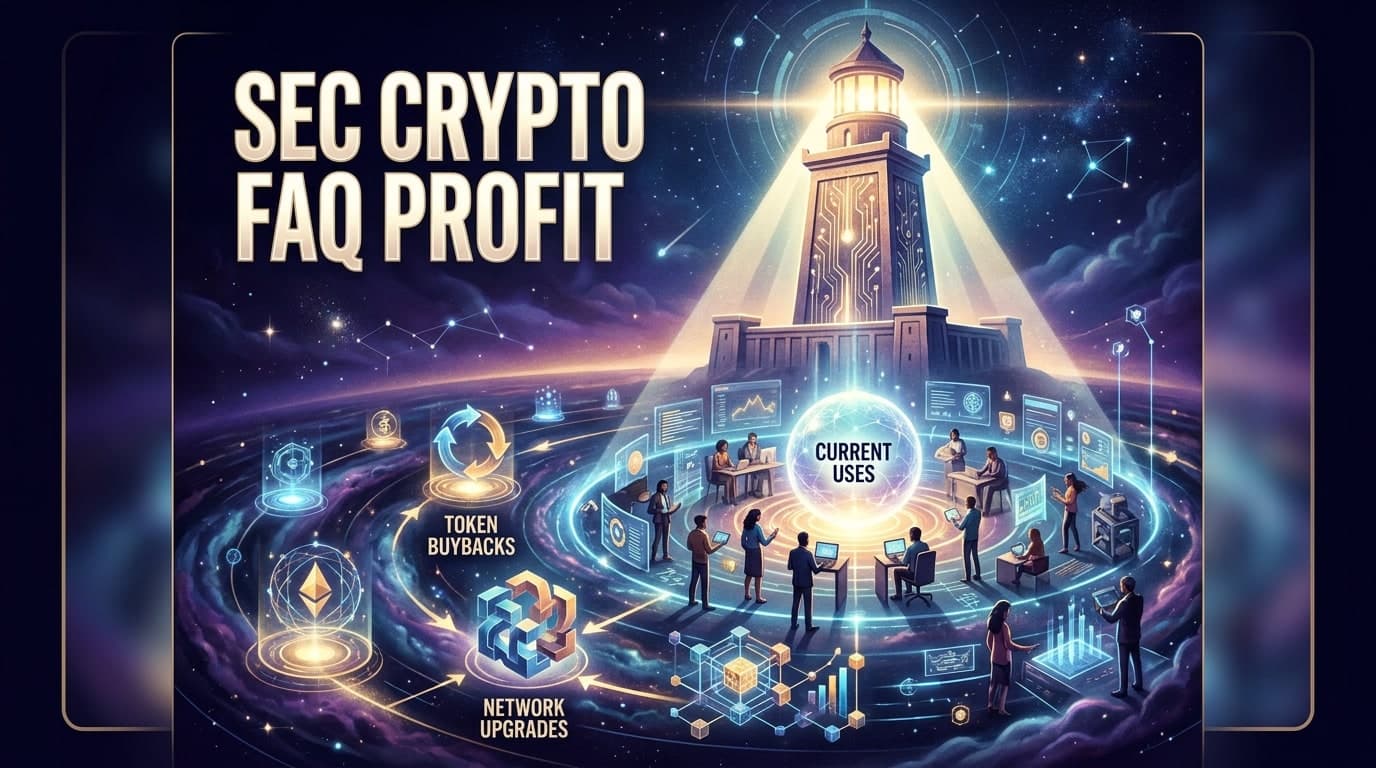
SEC staff addressed the point in a crypto FAQ, reported by The Block on 25 September 2026. The staff said promoting a network's current uses generally would not create an expectation of profit. The same FAQ reportedly covers token buybacks and network upgrades too. The Block's report did not include direct quotes, an author name, or an effective date for the guidance. No full FAQ text was published alongside the report. The comment centers on the 'expectation of profit' test, part of the Howey standard U.S. courts use to decide if an asset counts as a security.
How we got here
For years, crypto teams have struggled with a basic question: does describing a token's utility count as promising investors a return? U.S. law generally asks whether buyers expect profit from someone else's efforts, a test that has driven many enforcement actions and lawsuits. This FAQ appears aimed at settling part of that question for buybacks, upgrades, and everyday marketing language. Beyond this single line, the available report gives no detail on which past cases or guidance the FAQ responds to, so the historical picture stays incomplete.
Why this matters for you
For everyday wallet holders, this hints that regulators may soon separate plain utility talk from investment pitches, which could mean clearer token descriptions inside the apps you already use, including bonuz.market. For builders integrating tokens into wallets or rewards systems, describing current features may carry less legal risk than hinting at future value. None of this is settled law. It is staff guidance, not a rule or court ruling, so case-by-case scrutiny continues until something firmer arrives from the SEC or the courts. Treat any promise of future returns with caution, whether reading a token's site or building a wallet feature.
The bigger question
Where does plain product description end and an implied promise of future value begin? Regulators, builders, and everyday token holders may draw that line in different places. Getting it right could reduce disputes over crypto marketing, but any mention of usefulness can still be read as a hint about tomorrow's price. That ambiguity affects wallets, exchanges, and apps far beyond the United States, since global crypto marketing often follows U.S. legal signals.
What to watch
The FAQ surfaced in reporting on 25 September 2026, with no compliance deadline given. Watch for the SEC to publish the full text, and for reactions from trade groups and securities lawyers. Future staff statements or enforcement actions could show how the profit test applies to wallets, buybacks, and upgrades, including tokens tracked in bonuz.market's ecosystem.