South Korea Weighs Cyber Czar After $6.3B Binance Hack
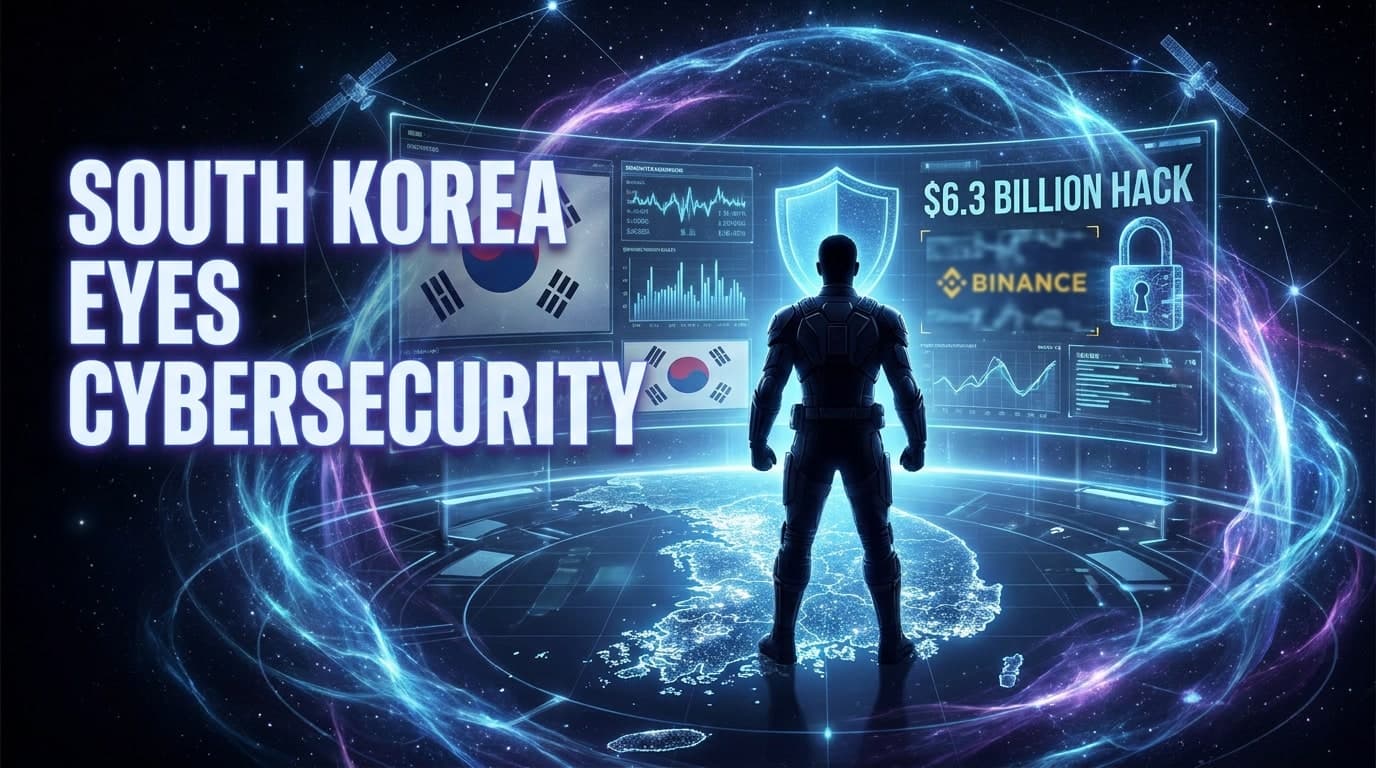
South Korea's president wants a dedicated cybersecurity agency after a $6.3 billion (USD) breach linked to Binance. For anyone holding crypto through an exchange, this signals governments now see exchange hacks as national security problems, not just trader losses.
What actually happened
President Lee Jae Myung raised the idea of a government-wide cybersecurity body, CoinDesk reported on 3 November 2026. He pointed to the $6.3 billion (USD) hack tied to Binance as a trigger, and flagged artificial intelligence as a rising risk for financial institutions and critical infrastructure. The report did not state when the Binance hack happened, how it occurred, or how much money has been recovered. No direct quote from Lee appeared in the coverage. Details on the proposed agency's budget, staffing, or launch date were not provided. Binance has not issued a public response in the source material.
How we got here
Large exchange breaches have piled up over the past few years, pushing cybersecurity higher on national priority lists. South Korea has one of the most active retail crypto markets worldwide, and its regulators already track exchanges closely. Binance ranks among the largest global exchanges, so a hack at this scale affects users far beyond one country. Lee's proposal fits a wider trend of governments folding crypto platforms into the same protection category as banks and power grids. The source material does not cover South Korea's past cybersecurity policy or any earlier remarks from Lee on this subject.
Why this matters for you
For everyday wallet users, a new agency could mean faster responses and clearer rules when exchanges get breached. Exchanges operating in South Korea may face tighter security audits going forward. For wallet apps and devices tied to crypto, including bonuz's wallet and identity features planned for smart glasses, higher government security benchmarks could become the norm rather than the exception. Expect more questions about how funds are stored and how transactions get verified. Nothing here is law yet. Lee made a proposal, not a policy, and no agency exists so far.
The bigger question
If governments start treating exchanges like banks or power grids, who decides the security standard: a national regulator, the exchanges themselves, or an international body? A $6.3 billion (USD) loss shows how quickly failures cross borders. Should crypto security rules come from one country, or from a shared standard that protects users everywhere they trade?
What to watch
South Korea has not set a timeline for creating this agency. Watch for further comments from Lee's office, any draft legislation, or a Binance statement addressing the $6.3 billion (USD) hack. bonuz.market will keep tracking how these standards might touch wallet and identity security built into future smart glasses.