Stablecoin Rules May Survive Election Shift, CoinDesk Says
US stablecoin and tokenization rules might hold steady even after a Democratic election sweep, while the rest of crypto policy stays shaky, CoinDesk reported on 4 November 2026. For everyday wallet users, that split could decide whether your dollar-pegged tokens keep working the same way tomorrow.
What actually happened
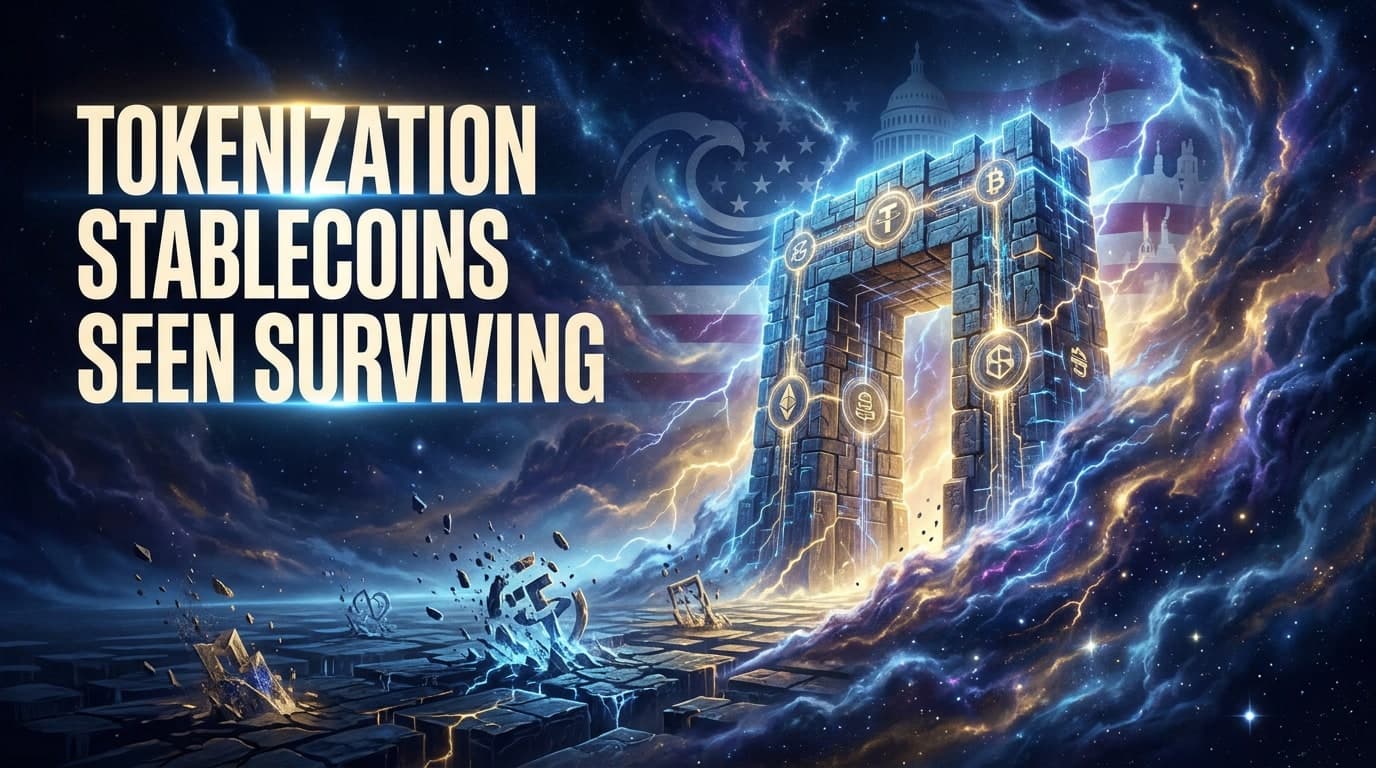
CoinDesk reported on 4 November 2026 that tokenization and stablecoin frameworks could keep operating under current US law despite a Democratic sweep in recent elections. The outlet said the Securities and Exchange Commission, SEC, and the Commodity Futures Trading Commission, CFTC, face stricter oversight ahead. Unnamed experts quoted by CoinDesk questioned how long existing SEC and CFTC rules will last under the new political lineup. CoinDesk did not identify the experts or the specific election that produced the sweep. The report flagged tokenization and stablecoins as the two areas most likely to survive political turnover, unlike broader crypto rules.
How we got here
US crypto rules have swung back and forth with every change in political control in Washington. The SEC and CFTC each enforced crypto differently depending on which party held power. Tokenization, turning assets such as bonds or funds into blockchain tokens, and stablecoins, tokens pegged to currencies like the US dollar, already had more detailed legislative attention than the rest of the industry. That earlier groundwork is why CoinDesk's sources expect these two areas to hold up better than broader crypto policy this time.
Why this matters for you
For bonuz wallet users, steadier stablecoin rules mean the dollar-pegged tokens behind everyday purchases are less likely to change overnight. For builders working on wearable and smart glasses payments, stable tokenization rules reduce the chance of rebuilding compliance systems midstream. For anyone holding other crypto assets, the picture stays murkier, since broader rules outside tokenization and stablecoins remain open to political swings. Wallet providers and payment apps built on stablecoins gain a bit more planning certainty than trading platforms tied to less settled rules.
The bigger question
If stablecoin and tokenization rules can outlast a change in political power while other crypto rules cannot, how much of any country's crypto law is actually permanent? Should payment infrastructure that everyday wallets depend on sit outside election cycles entirely, or should every financial rule face the same political risk every time power shifts? The answer could shape how much trust people place in digital wallets long term.
What to watch
CoinDesk's report named no specific hearings or deadlines. Watch for SEC and CFTC guidance on tokenization and stablecoins in the coming months. Any formal rule proposals or congressional moves on broader crypto policy will test whether this prediction holds. Bonuz.market will track how these rules affect wallet and payment features tied to stablecoins.