Tokenized Stock Plan Faces Pushback From Big Issuers
Eight companies, Broadcom and Verizon among them, have refused to let their shares trade on a tokenized stock venue planned by OKX and ICE. If you hold a crypto wallet and hoped to trade tokenized shares, this fight could shrink your options before the product even launches.
What actually happened
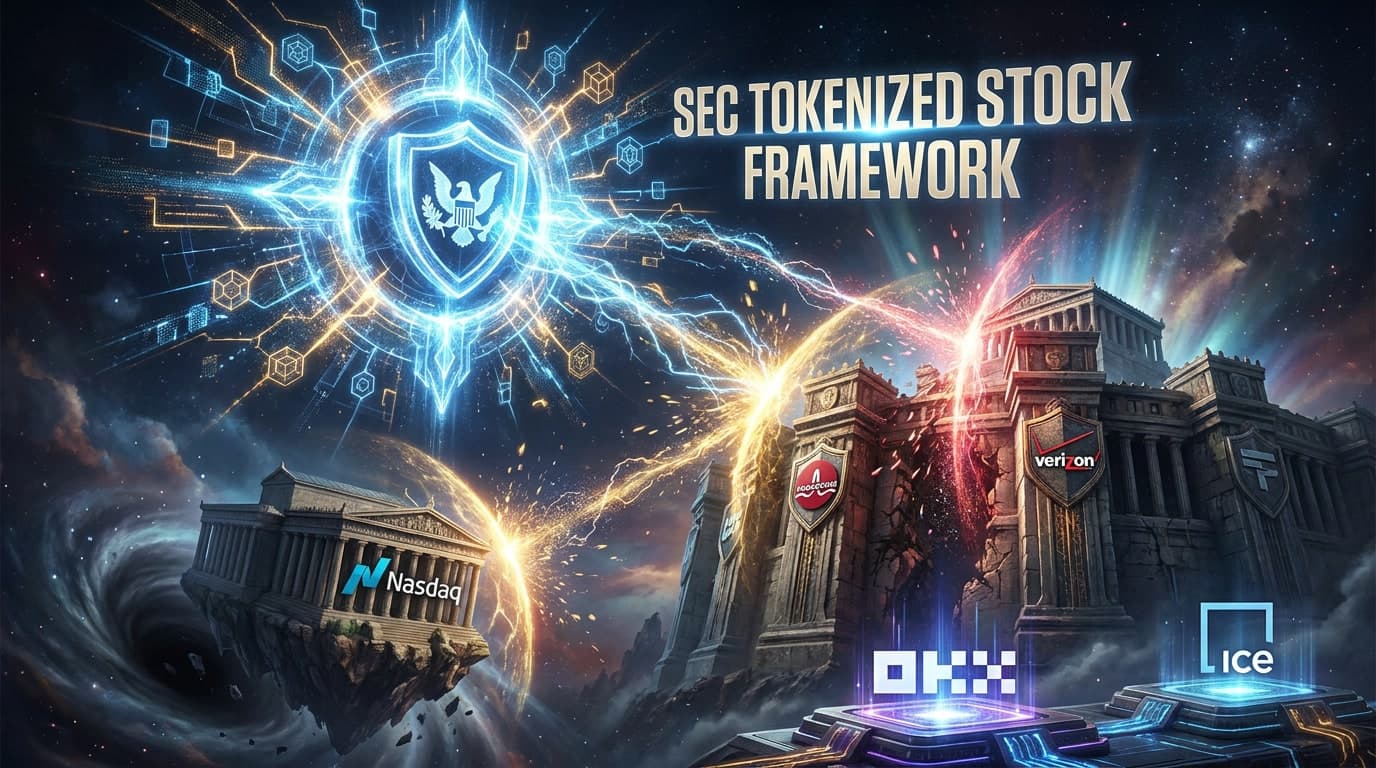
According to CoinDesk, eight firms have objected to appearing on the OKX-ICE tokenized stock venue. Broadcom and Verizon are named as objectors. Nasdaq told the same outlet it will opt out of the SEC's tokenized stock framework entirely, separate from the venue dispute. The report, published 18 October 2026, does not name the other six companies that objected. No direct quotes from the companies, Nasdaq, OKX or ICE appear in the report. The framework in question comes from the U.S. Securities and Exchange Commission and would let tokenized versions of real shares trade on digital asset platforms.
How we got here
Tokenized stock turns ownership of a company's shares into a blockchain token meant to track its price. Crypto exchanges and traditional market operators have both tried building platforms for this. OKX, a crypto exchange, teamed with ICE, which runs traditional markets, to plan a venue listing Broadcom, Verizon and other household names. The SEC has been drafting rules to govern that kind of trading. This case shows issuers themselves, not only regulators, can block a tokenized product before it reaches any wallet.
Why this matters for you
For everyday wallet users on platforms like bonuz, fewer companies may end up with tokenized shares available to buy, trade or hold. Anyone exploring tokenized stock exposure should check which tickers actually launch, not just which venue announces plans. For builders, this is a reminder that issuer consent matters as much as regulatory approval. Any future bonuz integration touching tokenized equities would need to account for this same issuer-level resistance, not just SEC sign-off.
The bigger question
When a company's stock gets turned into a blockchain token, who should decide if that is allowed: the company itself, the exchange building the venue, or the regulator writing the rules? Broadcom, Verizon and Nasdaq each chose differently here, leaving no clear answer yet.
What to watch
The SEC has not set a date to finalize its tokenized stock framework. It is unclear if OKX and ICE will proceed with a smaller venue or wait out the objections. Watch for an updated list of participating issuers and any formal SEC statement in the coming months.