Visa Study: Asia-Pacific Warms to Stablecoins by 2031
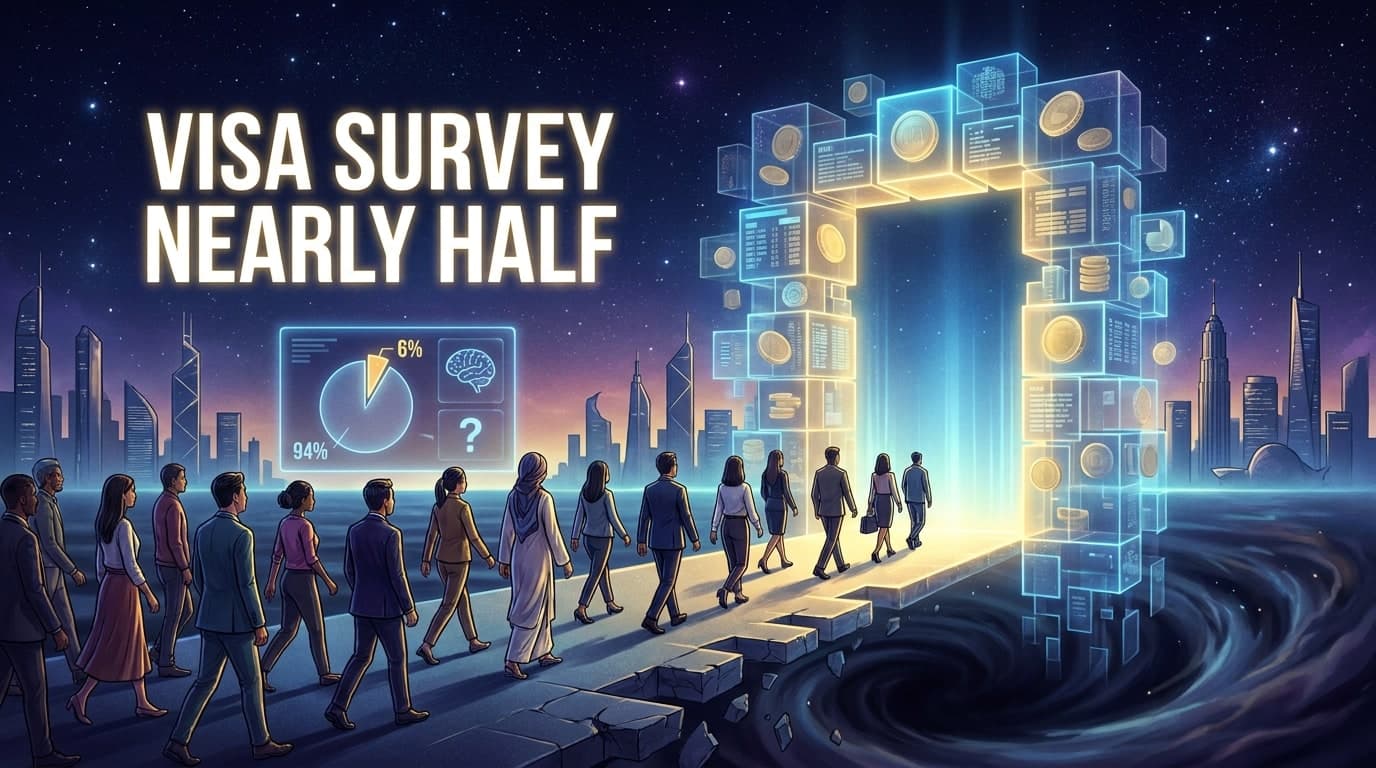
A new Visa-backed poll finds almost half of Asia-Pacific consumers expect to try stablecoins within five years, yet barely 6 percent of them can explain how the tokens actually work. That gap matters for anyone holding a wallet app, since confused new users can mean real money mistakes.
What actually happened
Visa commissioned a survey of 14,250 people across Asia-Pacific, and the results were reported by CoinDesk on 5 October 2026. Nearly half of respondents said they could see themselves using stablecoins by 2031. Only 6% correctly described how stablecoins function, according to the report. Visa did not break the 6% figure down by country or age group. The survey also skipped details on which currencies or blockchain networks people linked to stablecoins. No margin of error or exact survey dates were disclosed in the report.
How we got here
Stablecoins started as a trading tool pegged to currencies such as the US dollar. Over recent years they have crept into everyday payments, with Visa and other card networks piloting stablecoin settlement to speed cross-border transfers. Asia-Pacific, home to millions of unbanked and underbanked people, is a natural testing ground for new payment rails. This survey fits a familiar pattern: crypto interest research keeps outrunning basic technical understanding, a gap seen in earlier adoption studies too.
Why this matters for you
For everyday wallet holders, this means stablecoins may show up as a payment choice long before most people understand what backs them or how redemption works. For app and wallet builders, including teams working on bonuz.market, the finding is a nudge to simplify onboarding and explain risk in plain language, not just add faster rails. For anyone already holding stablecoins, a wave of less experienced users could shift liquidity and transaction habits across networks quickly.
The bigger question
If close to half a region is ready to use stablecoins within five years, who should teach them the basics? Payment networks, wallet makers, regulators, or users themselves? How that responsibility gets assigned could decide whether this growth happens safely or messily.
What to watch
Visa's 2031 target leaves about five years to close this literacy gap. Watch for follow-up surveys from Visa or rivals tracking whether understanding catches up with usage. Wallet and device interfaces, including the kind bonuz.market keeps an eye on, may increasingly be judged on how clearly they explain a stablecoin transaction to a first-time user.