ZKsync Proof Speed Hits New Low, What It Means for You
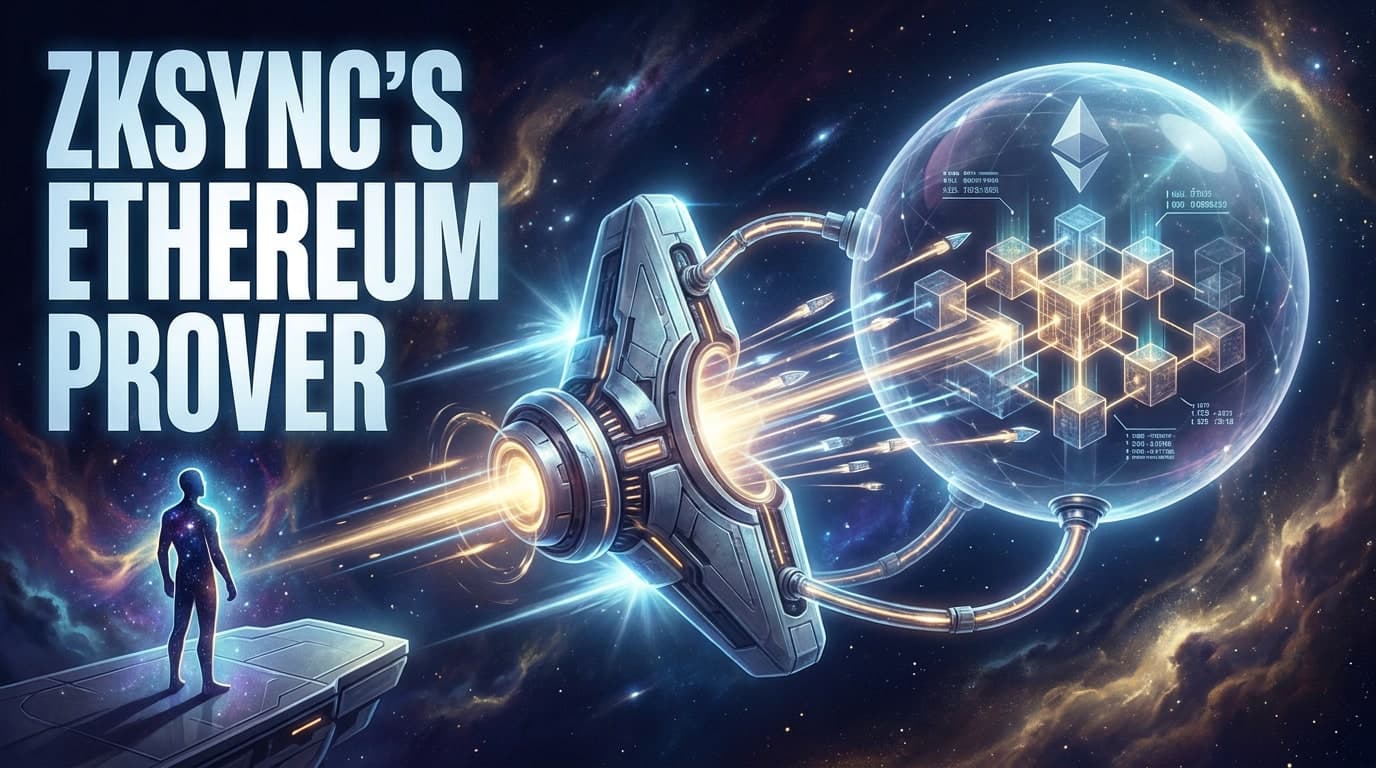
ZKsync's prover, Airbender Prime, confirmed 99% of Ethereum blocks proven in under 10 seconds on 17 October 2026. For anyone holding ETH or using layer-2 apps, faster proofs mean quicker finality and lower costs ahead.
What actually happened
Airbender Prime ran on one NVIDIA RTX PRO 6000 Blackwell GPU and proved 7,200 straight Ethereum mainnet blocks, Wu Blockchain reported. Every block, witness prep included, closed out within 12 seconds. The system uses RISC-V architecture and hash-based STARK proofs, designed to resist quantum attacks. Vitalik Buterin wrote that the zkEVM speed contest is effectively over. He named three remaining priorities: matching proof math to Ethereum's spec, keeping proof costs under block gas limits, and verifying the proof system itself. Separately, Lido added direct staking on Arbitrum, Base, Linea, and Optimism using Chainlink's Cross-Chain Interoperability Protocol, letting users get wstETH on an L2 without bridging to mainnet first. ETH traded at $2,372, down 1.68% over 24 hours, moving between $2,364 and $2,427 on $7.45 billion in volume.
How we got here
Rollup teams have chased faster proof times for years, since slow proving delays finality and pushes up fees. Ethereum's scaling plan has leaned heavily on zk-rollups to handle that load. Sub-10-second proofs suggest that speed goal is now met. Lido's move onto four L2s, announced the same week, shows staking infrastructure catching up to that faster base layer.
Why this matters for you
For builders, attention now shifts from raw speed toward audits and formal verification, meaning future zkEVM releases will likely prioritize provable safety over benchmarks. For wallet users, including anyone moving ETH through bonuz, faster and cheaper L2 settlement could become routine rather than a selling point. For stakers, removing the manual bridging step may pull more ETH into liquid staking straight from rollups. None of this moved ETH's price this week.
The bigger question
If proof speed is solved, what actually limits zkEVM adoption next, security audits, better verification tools, or simple user trust in cryptography most people cannot inspect themselves?
What to watch
ENS DAO's ENSv2 proposal could move to a vote soon, which would end new .eth registrations under the current system. Blur closes its frontend and halts new Blend loans on 12 November 2026. PancakeSwap's fee and emissions changes start in November 2026 and wrap by end of January 2027.