OpenAI ChatGPT Wallet Lets AI Agents Spend Your Money
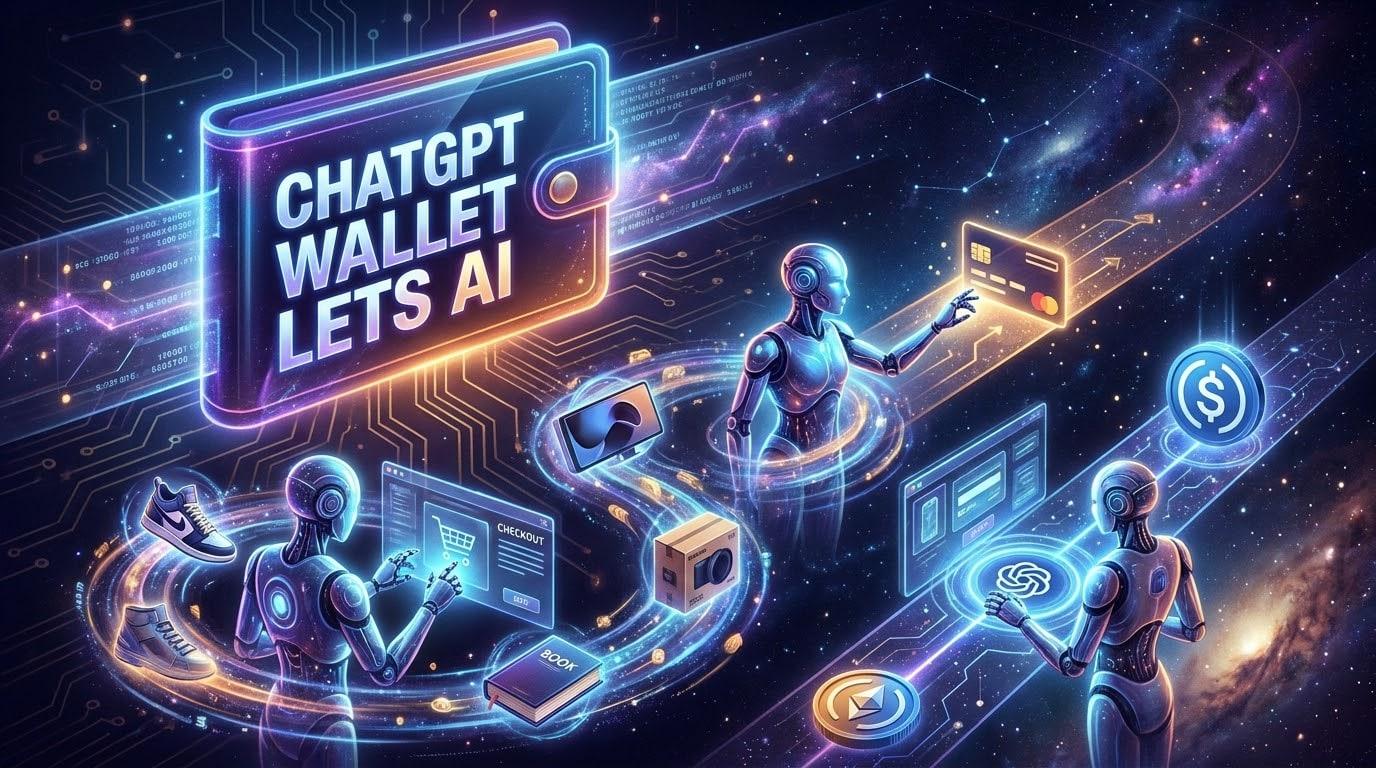
OpenAI turned on ChatGPT Wallet on 13 November 2026, allowing its Dots agents to buy things for users with a human checking each purchase. This is one of the first big tests of letting software spend your money, a signal for anyone watching wallets move from apps to AI agents.
What actually happened
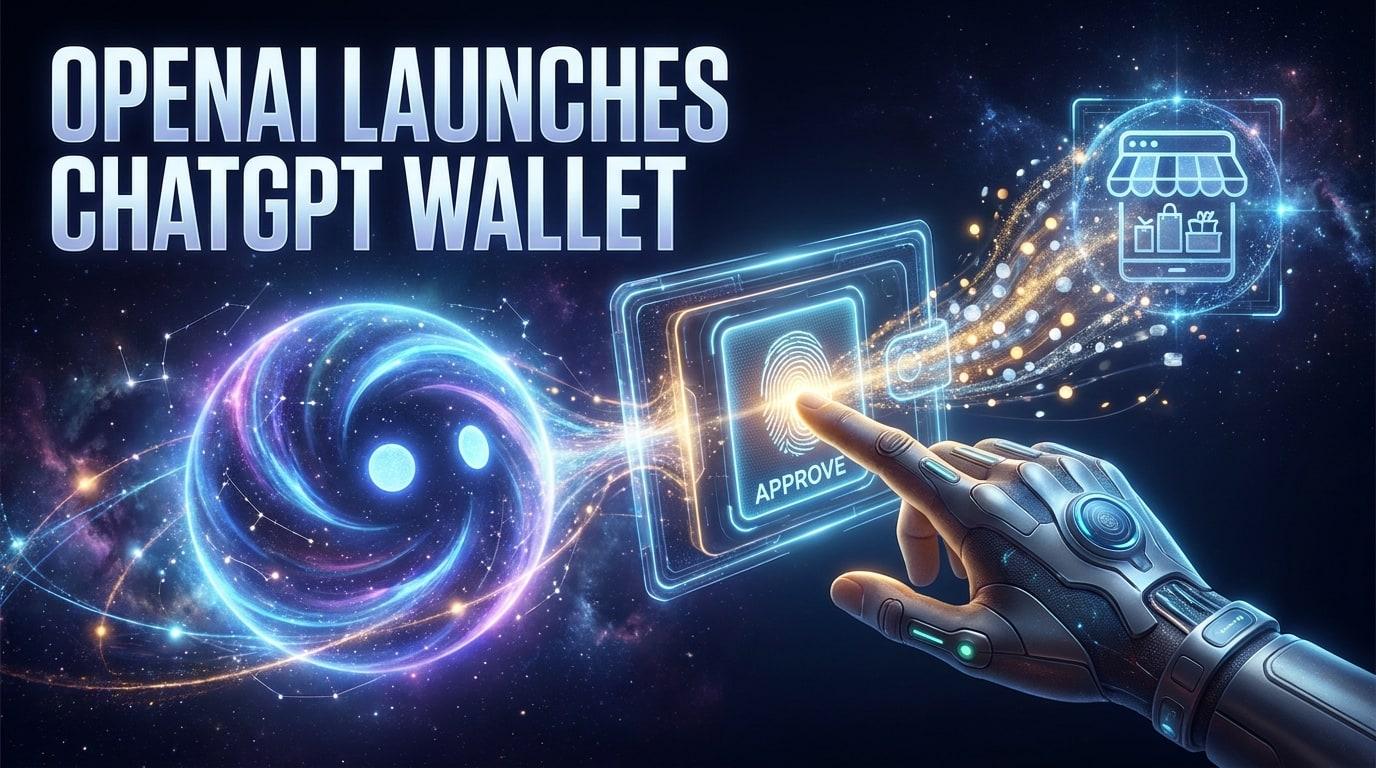
OpenAI began rolling out ChatGPT Wallet on 13 November 2026, open first to ChatGPT Pro subscribers in the United States, according to The Verge. Eligibility requires users aged 18 or older, a US billing address, and a supported US-issued card from American Express, Chase, Mastercard, or Visa. After linking a card, a Dots agent can suggest a purchase, but OpenAI requires biometric confirmation, Face ID or a fingerprint, before any charge goes through. OpenAI likened the setup to tap to pay, Apple Pay, and Google Wallet, since it swaps card numbers for a payment token, keeping real card data hidden from both agent and merchant. OpenAI said the long term goal is letting users preset spending caps, categories, or time windows so agents can buy without asking each time.
How we got here
Dots agents launched earlier in 2026 as OpenAI's attempt to let ChatGPT complete tasks across websites, not just chat. Retailers have not all welcomed this. Amazon blocked Meta's Muse shopping agents from its site earlier this year, OpenAI noted. ChatGPT Wallet depends on merchants and payment processors recognizing agent traffic as legitimate rather than treating it as fraud or bot activity to block. That makes the rollout as much a negotiation with online stores as a product launch, since an agent can only buy where a retailer lets it in.
Why this matters for you
For everyday users with eligible cards, checkout could turn into typing a request and tapping a fingerprint, skipping forms and menus. For wallet builders, the token plus biometric model offers a template worth copying: hide raw card data, confirm with a body check, not just a password. Retailers face a choice, welcome agent orders or block them like Amazon did, shaping which stores agents can even shop at. For bonuz users thinking about wearables, this points to a future where a payment prompt could reach your wrist or your glasses before it reaches your phone screen, once agents are trusted enough to buy without typing anything.
The bigger question
If OpenAI eventually lets agents spend within preset limits without asking each time, how much say will a person keep over their own money? Biometric approval looks solid today, but delegated spending shifts the decision earlier, to the moment limits are set rather than the moment money moves. Where should that line sit, and who should get to move it, as agents go from suggesting purchases to making them outright?
What to watch
ChatGPT Wallet started 13 November 2026 for US Pro subscribers on 4 major card networks. Watch for OpenAI adding more card issuers, countries, or subscription tiers, and for other retailers following Amazon in blocking agent traffic. bonuz will keep watching whether agent payments eventually connect to wearable and AR devices, not just phones and laptops.