ChatGPT Wallet: AI Agents Shop With Cards, Not Crypto
OpenAI switched on ChatGPT Wallet, letting its AI shopping agents pay with tokenized card details instead of crypto. The update matters for anyone trying AI checkout tools, because it picks card rails over stablecoins for now, shaping how machine-driven purchases could work for everyday users.
What actually happened
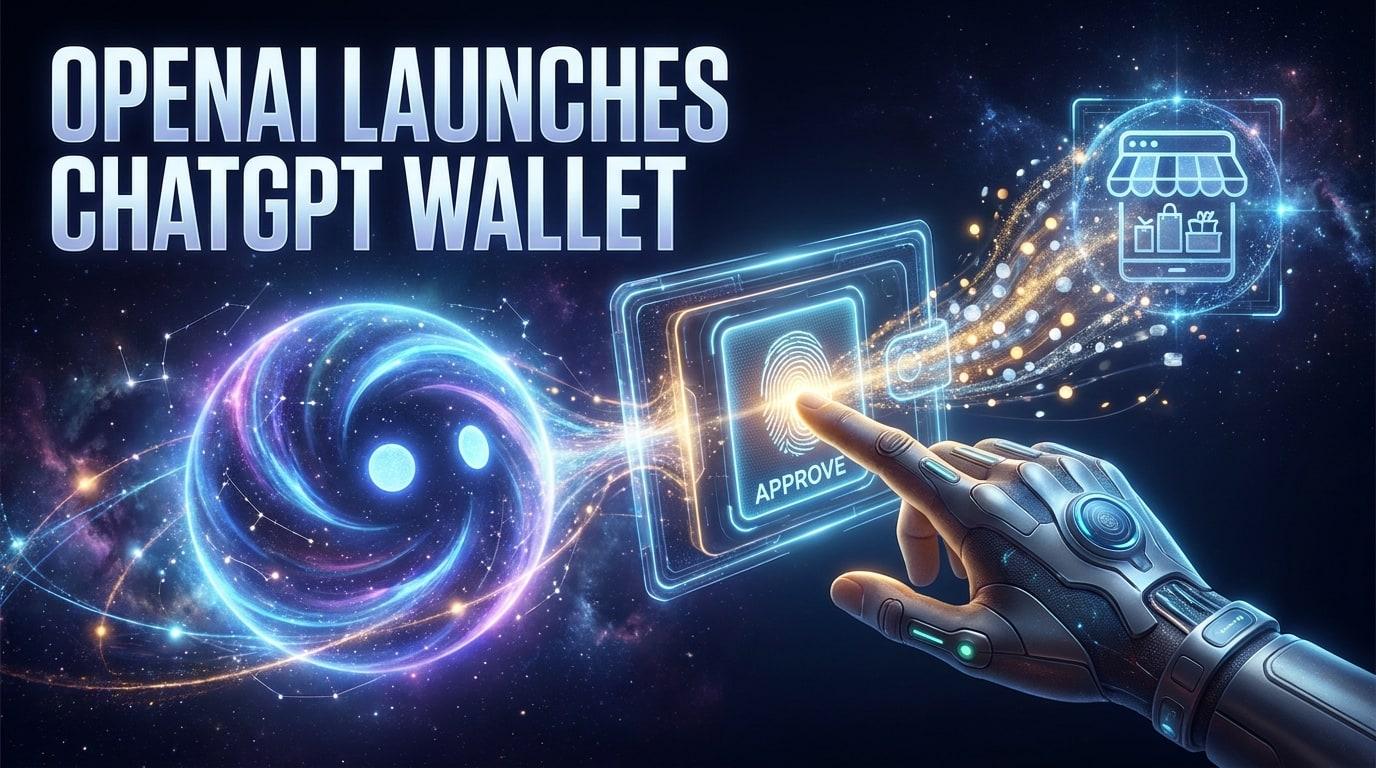
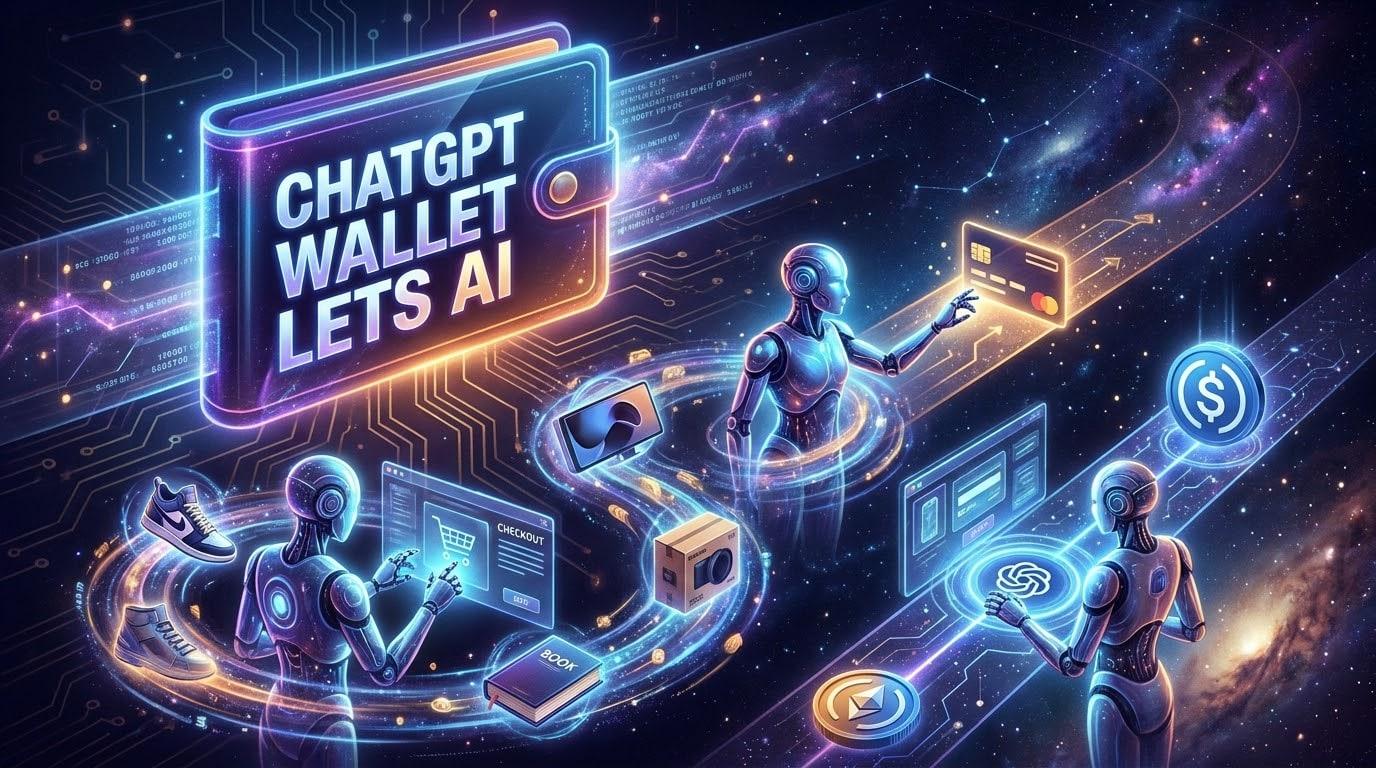
ChatGPT Wallet runs through OpenAI's always-on dots assistants, which browse sites and complete tasks for users, Decrypt reported. Shoppers link an eligible American Express, Mastercard, or Visa card, review each order, then confirm with a fingerprint or Face ID. The card network issues a one-time payment token standing in for the real card number, which the agent submits at the merchant's normal checkout. Access stays limited to ChatGPT Pro subscribers aged 18 or older, in the United States, with a U.S.-issued card. Mastercard's global head of digital commercialization, Sherri Haymond, said agent purchases 'should strengthen, not bypass, the trust built into payments.' OpenAI had already added Instant Checkout with Stripe in September 2025, plus merchant business profiles three days before this launch.
How we got here
Agent-led shopping moved fast before this. Google introduced its Universal Commerce Protocol in January, linking shopping agents with retailers and payment providers. Crypto platforms built a parallel path earlier: Coinbase launched Agentic Wallets in February for USDC spending within preset limits, and Circle launched its Agent Stack in May, supporting payments as small as $0.000001 (USD). TRM Labs estimated in September that agents made up just 0.6% to 7.5% of filtered x402 commerce by value, according to Decrypt.
Why this matters for you
For everyday wallet users, ChatGPT Wallet keeps familiar card perks and dispute protections, though merchants still manage deliveries and returns. For crypto holders, it shows card networks chasing the same agentic commerce that stablecoins like USDC were built for, pointing to sharper competition ahead. For builders in the bonuz ecosystem, OpenAI's tokenized method needs no special merchant setup, unlike Instant Checkout, widening where agents can shop. Coinbase and Circle still own the lane for machine-to-machine micropayments too small for cards, such as $0.000001 (USD) transfers.
The bigger question
Will AI agents end up favoring card rails or stablecoins for everyday purchases? ChatGPT Wallet still needs a human to approve each buy, while stablecoin tools like x402 aim to remove humans from the loop entirely. If agents start spending without that check, who answers when a purchase goes wrong, the platform, the issuer, or the user?
What to watch
OpenAI plans to let users set spending limits or categories so agents can buy without approving every order, though no date is confirmed. Watch merchant adoption of business profiles and Wallet access, fresh x402 volume data from TRM Labs, and any adoption figures Coinbase or Circle share next.