Ethereum Fast-Tracks Quantum Security, Delays Faster Blocks
Ethereum's research team just traded faster blocks for stronger defenses. Ethlabs proposed moving the network's quantum-resistant upgrade up to 2027, scrapping a parallel plan called Quick Slots to free up engineering time. Anyone holding ETH or building wallets on it is now watching a roadmap that prizes safety over speed.
What actually happened
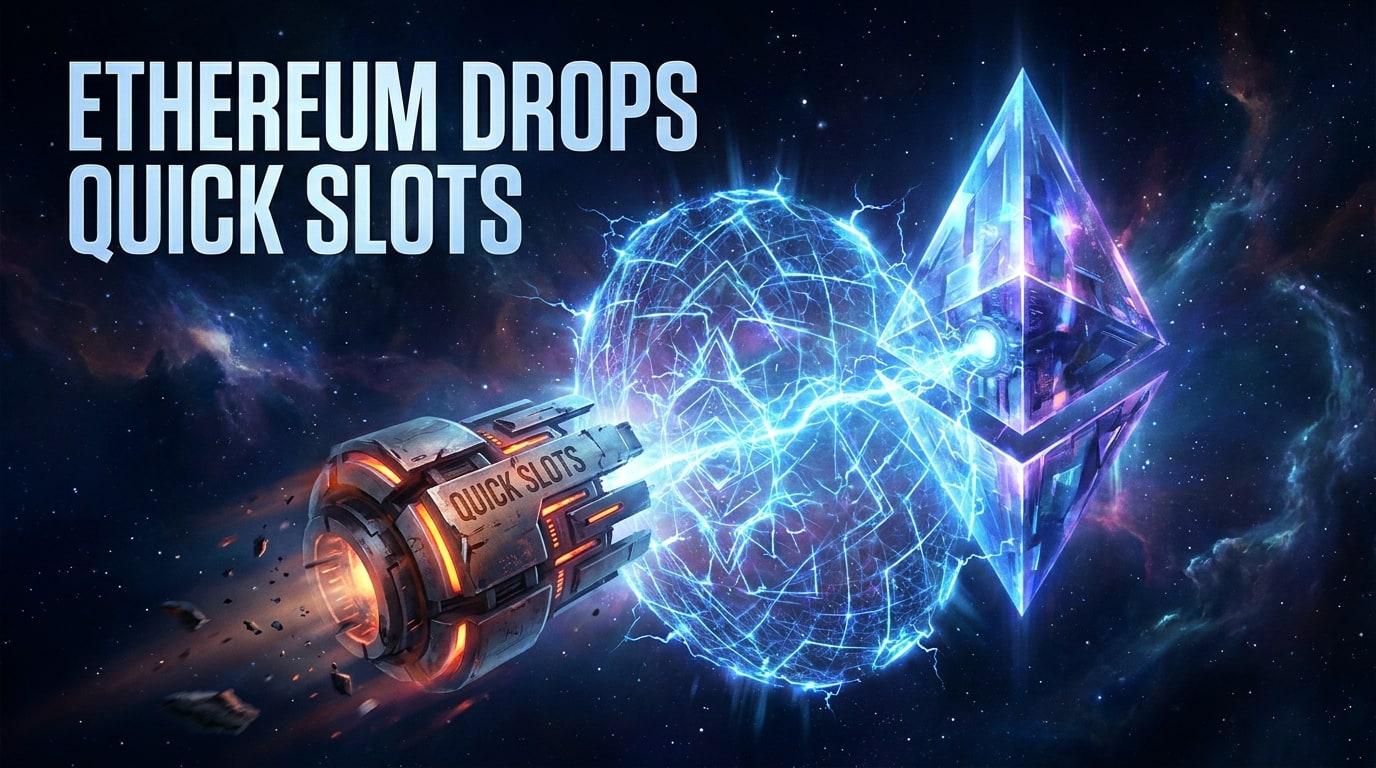
Ethlabs, an Ethereum research group, posted a plan called pqai27 on the Ethereum Magicians forum, according to Wu Blockchain. It pulls the quantum-resistance target forward from 2028 to 2027. To make room, Ethlabs withdrew backing for Quick Slots, a proposal to shrink block times under the planned Hegotá upgrade, pushing that feature to 2028 instead. The Defiant reported developers dropped Quick Slots but left FOCIL and the next consensus design unresolved. Researcher Christine D. Kim called the process on pause. ETH traded at $1,839 on 14 November 2026, down 4.12% in 24 hours, moving between $1,954 and $1,846 on $12.22 billion (USD) in volume.
How we got here
Ethereum has reshuffled upgrade priorities before, balancing security, decentralization and throughput since its shift to Proof of Stake, per The Block. The Hegotá upgrade was built around Quick Slots, aiming to cut block times and speed up transactions. Ethlabs now argues that quantum computing and AI-assisted attacks could threaten Ethereum's cryptography sooner than expected, making defense the priority over speed. The pause lands while bitcoin and ether already trade in ranges where dealer positioning can sharpen price swings, according to CoinDesk, stacking protocol uncertainty on top of market uncertainty.
Why this matters for you
For everyday wallet users, nothing changes today. No quantum upgrade specification exists yet, so keys and wallets work as before. A future post-quantum shift could still require wallet updates or new key formats, something bonuz and other wallet providers will need to track. For builders, faster blocks stay off the table until at least 2028, delaying apps designed around quicker confirmations. For holders, roadmap uncertainty compounds price volatility already flagged in dealer positioning, meaning swings like today's 4.12% drop could repeat.
The bigger question
Should Ethereum slow features users want now, like faster blocks, to guard against a quantum threat that has not yet arrived? Ethlabs is betting engineering time on a risk nobody can measure precisely, while deprioritizing upgrades builders expected. If the timeline is wrong either way, users wait too long for speed or the network faces a threat it was not ready for.
What to watch
Ethlabs targets foundational quantum resistance by 2027, with faster blocks now penciled in for 2028. Debate over FOCIL and consensus design continues on the Ethereum Magicians forum, with no set deadline. A formal Hegotá specification should follow once these pieces settle. bonuz will track how the delay affects wallet integrations and app-layer builders.