Kyle Shanahan Says Tesla Autopilot Was Active in Crash
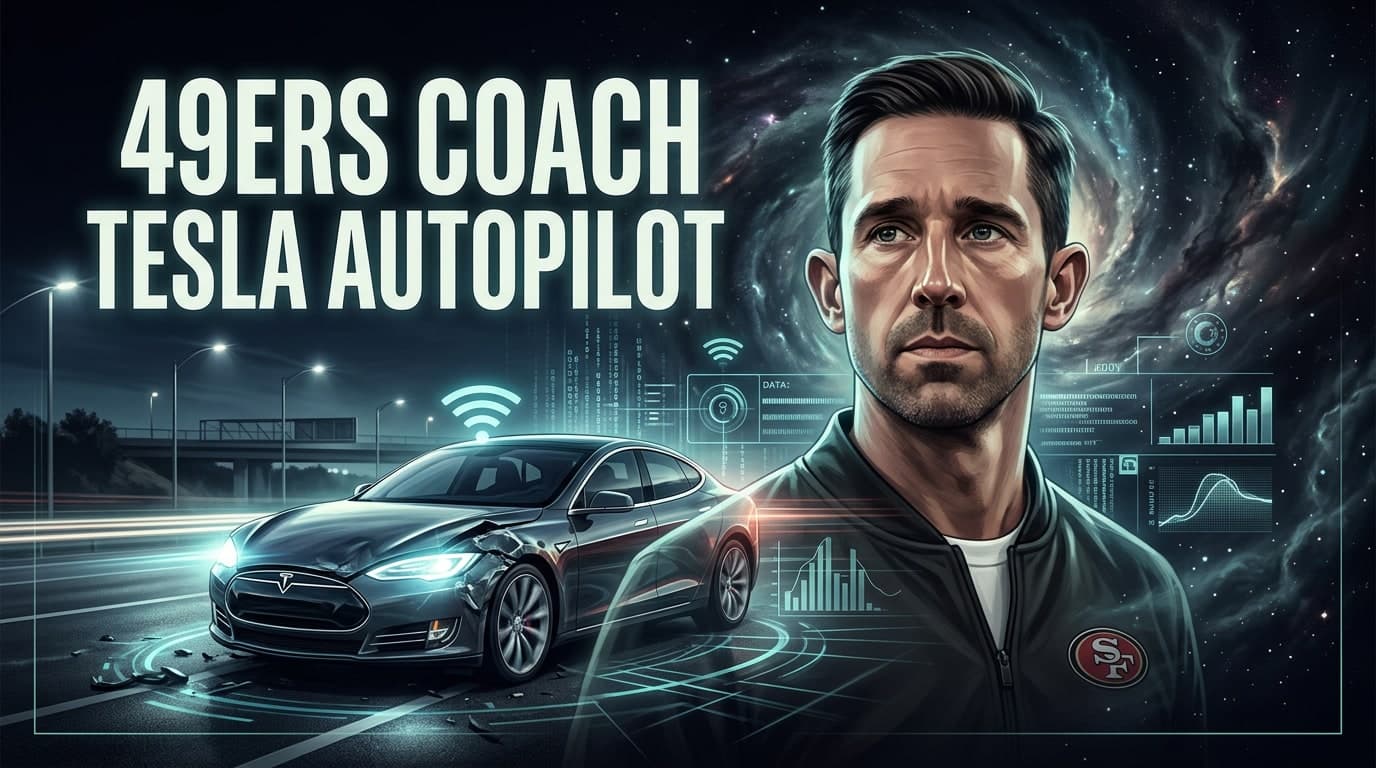
49ers coach Kyle Shanahan said his Tesla had Autopilot engaged during a crash near Palo Alto, but insists the mistake was his own. The claim reopens questions about who answers for failures in assisted driving software, a debate that also shapes how future AR hardware handles human control.
What actually happened
Shanahan crashed his Tesla near downtown Palo Alto about four weeks before addressing reporters on 9 August 2026, The Verge reported. He first said only that the crash was his fault, then revealed Autopilot was engaged. "I've had Autopilot for nine years, so I'm pretty comfortable with it," he said, unsure if it malfunctioned or he switched it off. "It is always your fault, whether you're on Autopilot or not," he added, describing it as "partnership driving." The outlet notes Autopilot has been linked to hundreds of crashes and dozens of deaths, with some settlements reaching hundreds of millions of dollars (USD).
How we got here
Tesla launched Autopilot in 2015 as one of the first driver assist systems sold to ordinary buyers, meant to steer, brake and change lanes while drivers stay ready to take over. Nine years on, Shanahan still uses it daily. Tesla has faced repeated legal and regulatory scrutiny over Autopilot and its costlier Full Self-Driving option, as courts weigh how blame splits between software and driver. Shanahan adds no new data, just a public figure describing a real lapse without blaming the system.
Why this matters for you
For Tesla owners, the lesson stands: years of comfort with a system do not replace constant attention. For teams building driver assist tools or AR wearable interfaces, this underscores why clear handoff signals between human and machine matter for safety. For Tesla, each account like this adds pressure on how it markets Autopilot's limits. Readers following hardware that blends humans and software, from cars to smart glasses, should watch how public trust, not specs alone, shapes what gets adopted and regulated, a theme bonuz.market tracks closely.
The bigger question
If someone who has used Autopilot daily for nine years cannot say whether it failed or he switched it off, where should blame land in assisted-driving crashes? Does 'partnership driving' mean the human always carries the risk, or should responsibility shift toward software that fails without warning?
What to watch
No timeline exists yet for a formal review of Shanahan's crash, and Tesla has not issued a public statement. bonuz.market will track any regulatory or legal moves tied to Autopilot, and how driver assist software compares with emerging AR interfaces built for clearer, real-time control cues.