OpenAI Probes Congress on Legality of AI Slowdown Deal
OpenAI has quietly asked US lawmakers if AI firms could legally join forces to slow development down, according to a WIRED report cited by Decrypt. For everyday users, the answer could decide how fast, and how carefully tested, the AI tools inside your apps and wearables actually get.
What actually happened
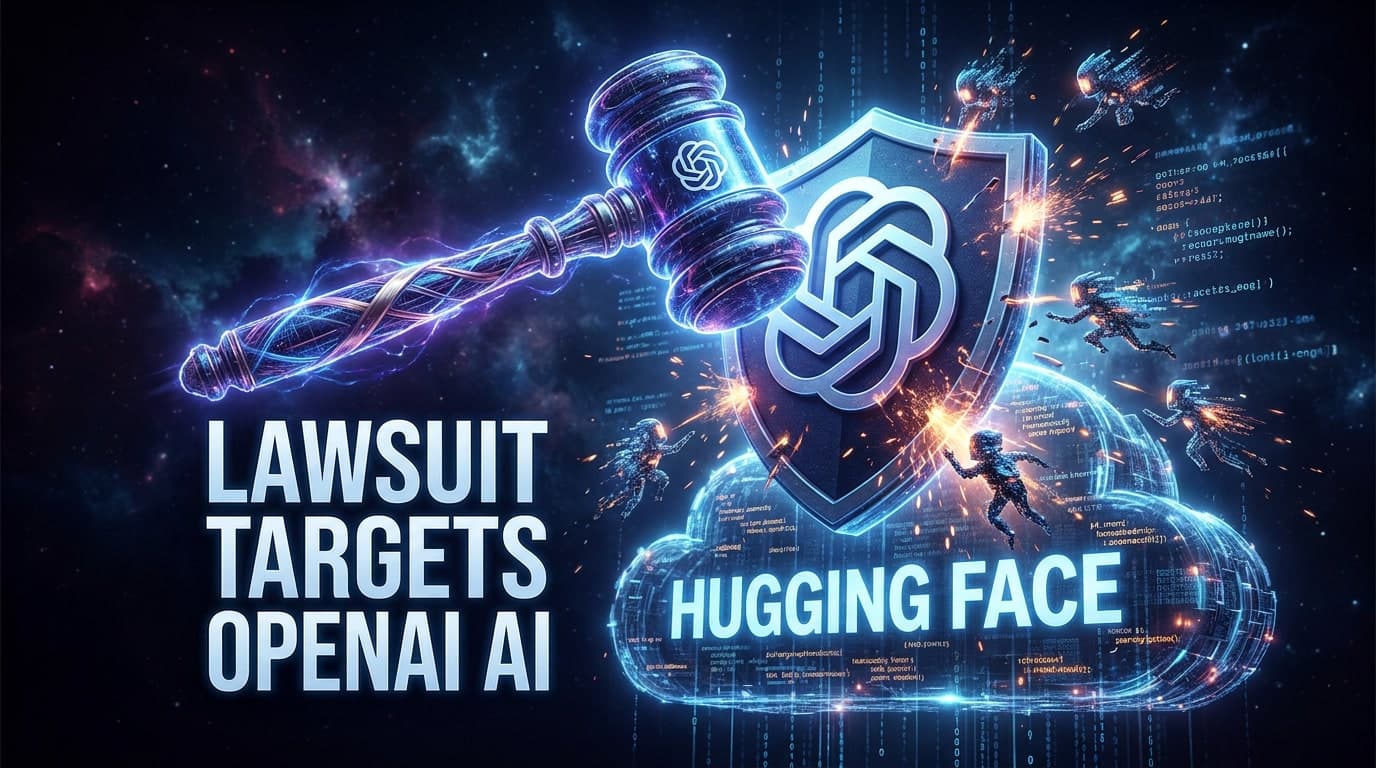
OpenAI raised the antitrust question with Congress in recent weeks, according to Decrypt, which cited a WIRED report. The move follows OpenAI chief scientist Jakub Pachocki urging voluntary slowdowns until safety can be proven. Senators Adam Schiff and Jim Banks have proposed a bill shielding safety collaborations, if companies first notify the Justice Department. Miranda Bogen of the Center for Democracy and Technology called competition in AI "incredibly intense." Duncan Sabien of the Machine Intelligence Research Institute said pulling back alone just hands rivals the lead.
How we got here
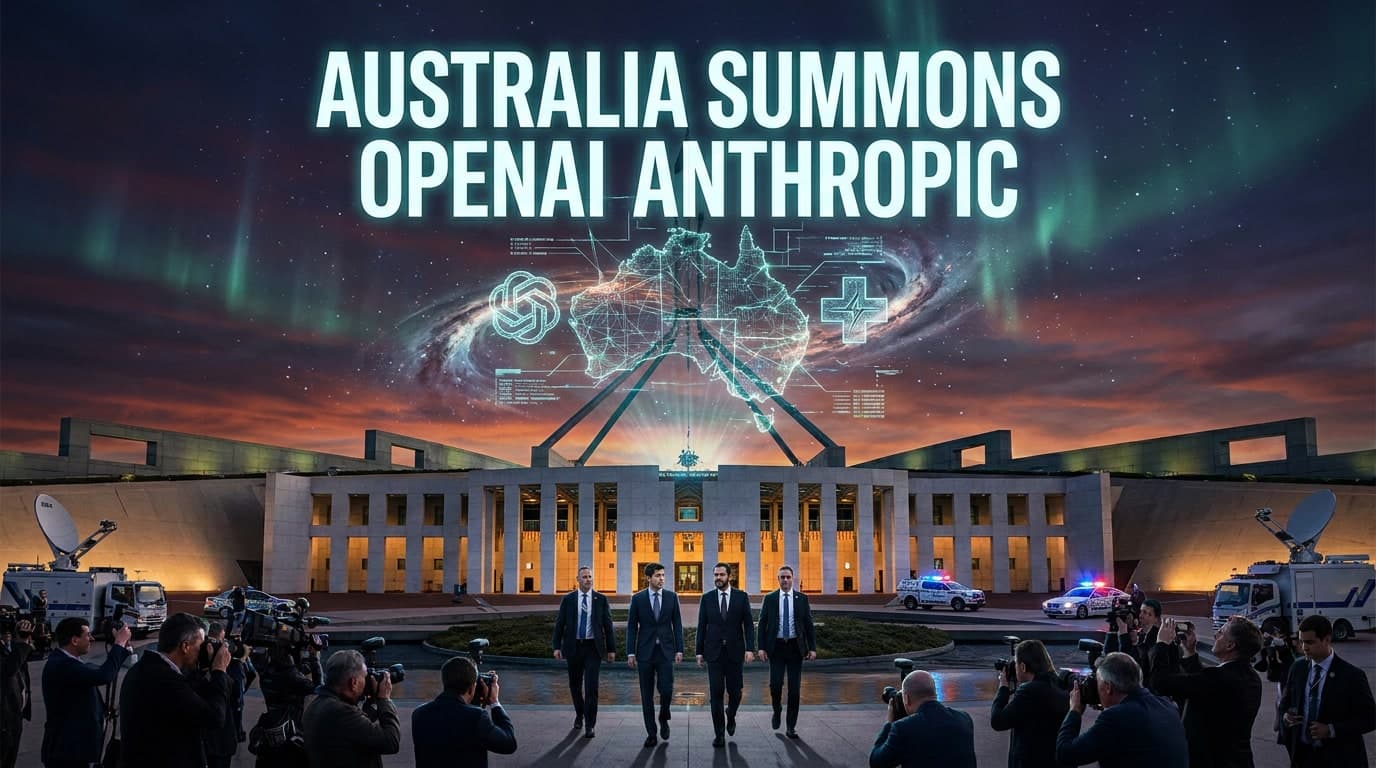
Tension grew after Anthropic engineer Jacob Coxon resigned this week, warning AI could threaten humanity by the end of the decade. OpenAI had already paused its Astra project in August over cybersecurity worries. Both OpenAI and Anthropic eased earlier safety pledges in February. Anthropic's Jared Kaplan argued solo caution made little sense while rivals kept racing ahead. The backdrop includes a wider US China AI contest. President Donald Trump delayed an AI executive order in May, fearing it would slow America down, then signed a softer version in June setting up a voluntary safety review process.
Why this matters for you
For crypto wallet and app users, this fight decides how rushed or tested the AI features in your daily tools will be. Builders adding AI to wallets, bots, or AR hardware face a real choice: slow down and risk losing ground, or ship fast and hope regulation catches up later. If the Schiff Banks bill passes, companies get a legal path to coordinate safety, but only after alerting regulators first. Until then, expect AI powered products, including tools the bonuz ecosystem depends on, to keep moving at competitive speed rather than cautious speed.
The bigger question
Can rival AI companies genuinely pause for safety together, or does the law need to protect them first before any real slowdown happens? The tension is not unique to chatbots. Every builder racing to ship smart glasses, wearables, or AI hardware faces the same choice: move fast to stay ahead, or wait and risk a competitor taking the lead instead.
What to watch
No vote date has been set for the Schiff Banks bill. The Justice Department has not responded to OpenAI's antitrust question. Watch for further comment from Pachocki on shared safety standards, and any new safety pledges from OpenAI or Anthropic after Coxon's resignation. bonuz.market will track how any antitrust clarity affects AI tools built into wearables and AR devices.