Siemens S7 PLC Hack Warning Hits Water Systems
US agencies warn hackers are using AI tools to craft exploit scripts against Siemens S7 controllers that run water treatment plants. Anyone who drinks tap water or trusts a power grid has a stake in whether these decades-old industrial systems get patched before attackers strike first.
What actually happened
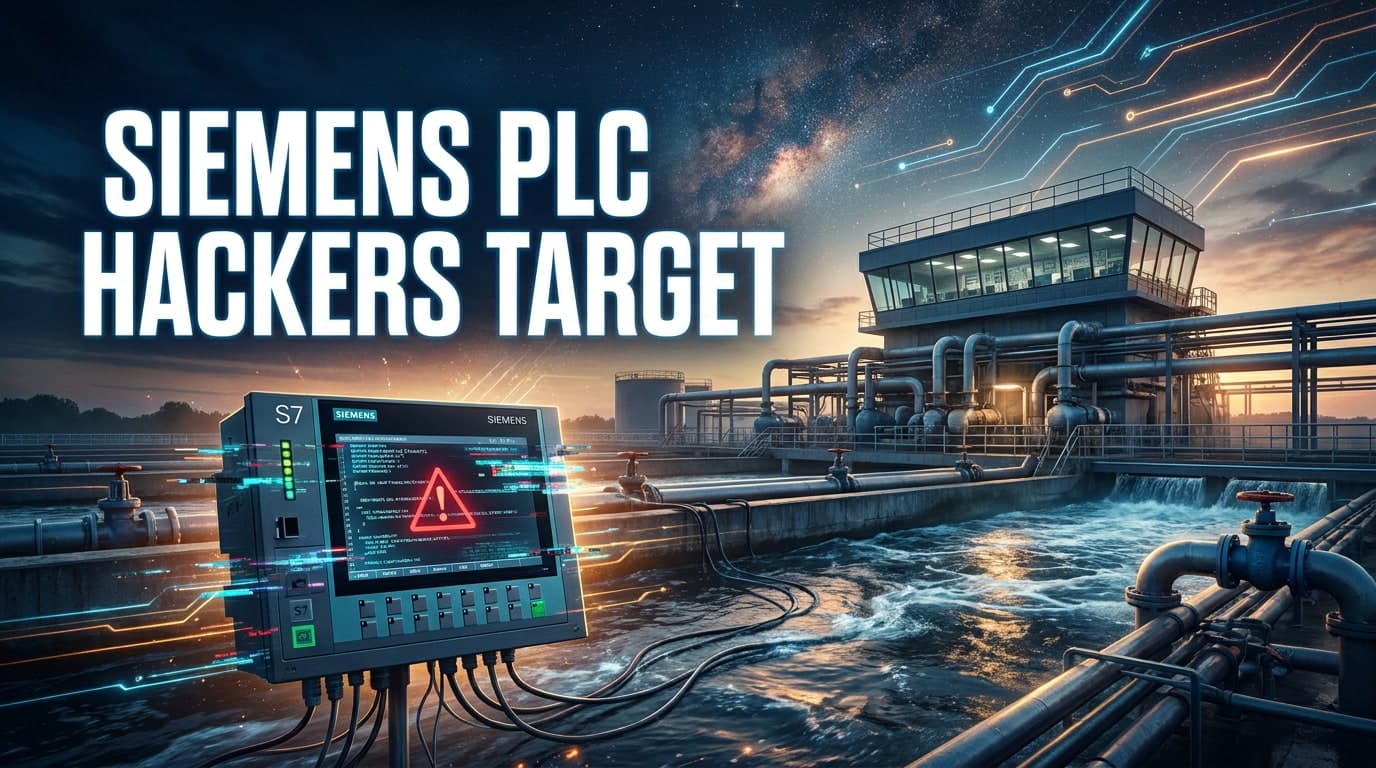
According to Tom's Hardware, US authorities report that Siemens S7 programmable logic controllers, common across water treatment and other infrastructure, face active targeting. Investigators say threat actors are generating exploitation scripts with AI tools, cutting the technical skill once needed to hit specialized industrial hardware. Officials list disruption of industrial processes, safety incidents, downtime, and equipment damage as possible outcomes. Authorities are telling operators to apply the latest patches immediately and, where feasible, take controllers off the public internet to shrink the attack surface. The report gives no victim names, no attack dates, and no identified group behind the activity.
How we got here
Programmable logic controllers have drawn attacker interest for years, ever since early PLC breaches showed that code can trigger real world physical damage. Siemens S7 units sit inside many water treatment plants and similar facilities, per Tom's Hardware, making them a broad target. This warning fits a wider pattern. AI now speeds up exploit development against niche industrial gear that once demanded rare, specialist knowledge. That shift narrows the gap between finding a flaw and weaponizing it.
Why this matters for you
Most bonuz.market users will not touch a Siemens PLC directly, but the stakes still reach you. Water and power reliability underpins everyday life, including the networks your wallet and apps depend on. For builders in the wearable and IoT space, including AR and smart glasses hardware, this is a reminder that AI-assisted attacks are now a baseline threat, not a rare edge case. Any connected hardware, from utility controllers to consumer devices, needs security designed in from day one, not patched in later.
The bigger question
If AI can now write working exploits against hardware built decades before AI existed, how much should society spend replacing old infrastructure instead of simply watching it more closely? Utilities, and every maker of connected hardware, face a shrinking window to choose between costly modernization and constant vigilance, and that choice will shape how safe our daily connected lives really are.
What to watch
The report names no formal advisory number or patch release date. Watch for official guidance from US cybersecurity agencies and any new Siemens security bulletins in coming weeks. A confirmed breach at a water utility would likely draw wider regulatory attention to industrial control systems, a space bonuz.market will keep tracking as it intersects with connected hardware security.